
How can you get your very own personalized session and free nutrition consult? Call today at Call Dan Hendrix: +1 334-300-0389.
Find out how important a balanced body chemistry truly is. Get on the right track to improved health today!
- Easy Homemade Sushi for a Fun Dinner Date
- Essential Ingredients and Tools
- Step-by-Step Sushi Rolling Guide
- Creative Sushi Filling Ideas
- Tips for a Perfect Sushi Experience
- Serving and Enjoying Your Homemade Sushi
Imagine this: a cozy evening, a few candles lit, and your favorite tunes playing softly in the background. Now, picture yourself creating a culinary masterpiece right in your kitchen—homemade sushi for a fun dinner date. It’s not just food; it’s an experience that brings you closer. Sushi making can be a delightful bonding activity, offering that perfect blend of creativity and deliciousness.
Let’s get down to how to whip up some easy dinner ideas that are not only impressive but also allow for personal touches and variations. Sushi is versatile! You can customize it to fit your tastes, whether you’re a fan of traditional flavors or looking to experiment with spicy tuna or even vegetarian options. Think about what you love—maybe fresh veggies, creamy avocado, or zesty pickled ginger. The possibilities are endless!
Setting the stage is half the fun. Lay out all your ingredients—a colorful array of sushi rice, nori sheets, fresh fish, and vibrant vegetables. It’s like creating art on a plate. Each roll you craft is a canvas waiting to be filled. Don’t fret if your first roll doesn’t look perfect; it’s all part of the learning process, and the taste will be what truly counts. Grab a partner or a friend—roll together, share laughs, and enjoy the process.
Another advantage of making homemade sushi is that it’s quick. If you prep your ingredients ahead of time, you can have a delicious dinner on the table in about an hour—or even less! This makes it an ideal choice for busy professionals or anyone juggling a hectic schedule. After all, who says you can’t have fun meals that fit into a tight timeline?
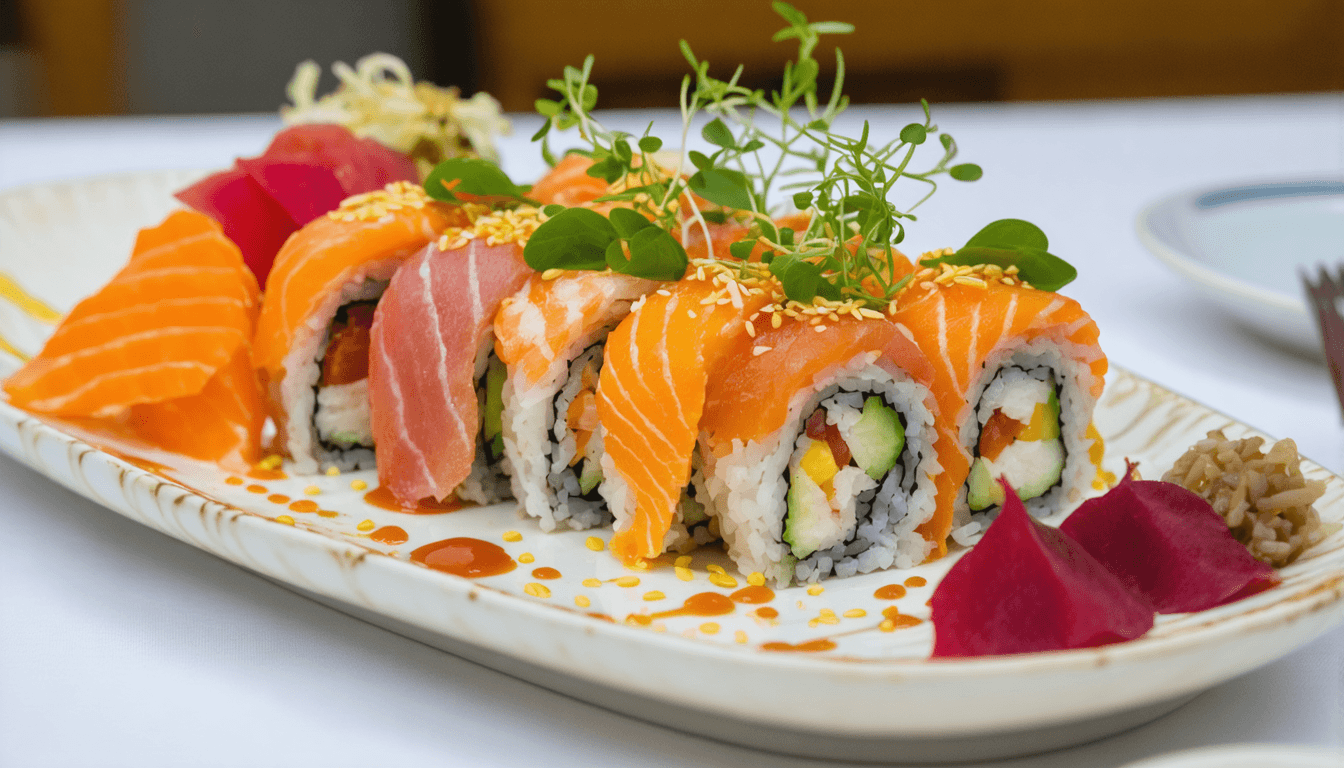
As you roll and fill your sushi, remember to enjoy yourself. This isn’t just about eating; it’s about creating something together, making memories, and savoring each bite. How about trying a rainbow roll? It’s visually stunning and can be a great conversation starter. After a delightful evening of crafting sushi, you’ll be left with not just satisfied appetites, but also happy hearts and full bellies.
Essential Ingredients and Tools
– To create your homemade sushi, start with the essential ingredients. The foundational components include sushi rice, which is sticky and allows the rolls to hold together, and nori sheets, which are the seaweed wrappers that encase your fillings. Steven Raichlen once said, “Good cooking is a skill that takes years to develop.” With the right ingredients, you’re already on your way to mastering sushi.
– You’ll also need rice vinegar, sugar, and salt to season your sushi rice, giving it that characteristic tangy flavor. “Cooking is like love. It should be entered into with abandon or not at all.” – Harriet Van Horne. This underscores how important it is to season your rice well to ensure a flavorful base for your rolls.
– Fresh fish is a must for traditional sushi. Consider options like salmon, tuna, or even shrimp. If you prefer vegetarian, fresh cucumbers, avocados, or carrots can provide delightful crunch and flavor. Quality is key; aim for sushi-grade fish, as used in sushi restaurants for safety and taste.
– Don’t overlook the toppings and sauces! Wasabi and pickled ginger are classic accompaniments that enhance the flavors of your sushi. Additionally, soy sauce is essential for dipping. “The secret of good cooking is, of course, good eating.” – Mark Twain. Having the right condiments can elevate your sushi experience.
– As for tools, a bamboo sushi mat is highly recommended for rolling your sushi tightly and evenly. You might also want a sharp knife for slicing your rolls cleanly, as well as a bowl of water on hand to keep your hands damp while working with the sticky rice.
– Finally, presentation is important when serving your homemade sushi. A clean, colorful plate will make your easy dinner ideas pop. Consider garnishing with sesame seeds or microgreens for a professional touch. “People who love to eat are always the best people.” – Julia Child. This sentiment captures the joy of sharing a beautifully presented meal.
Step-by-Step Sushi Rolling Guide
- Start by preparing your sushi rice. Rinse 2 cups of sushi rice under cold water until the water runs clear, which helps to remove excess starch. This step is crucial for achieving that perfect sticky texture. After rinsing, soak the rice in water for 30 minutes, then drain. Cook the rice according to your rice cooker directions, or boil it in a pot with 2 ½ cups of water, bringing it to a boil before lowering the heat and simmering for about 20 minutes. Once cooked, let it rest for 10-15 minutes, covered, off the heat.
- While the rice is resting, prepare your sushi vinegar mix by combining ¼ cup of rice vinegar, 2 tablespoons of sugar, and 1 teaspoon of salt in a small saucepan. Heat over low heat, just until the sugar dissolves—there’s no need to bring it to a boil. Once the rice has cooled slightly, gently fold this mixture into the rice using a wooden spatula, being careful not to mash the grains. This gives your sushi rice that signature flavor and gloss.
- Now, lay your bamboo sushi mat flat on the counter, and place a sheet of nori, shiny side down, on the mat. With damp hands (this is where that bowl of water comes in handy), grab a handful of sushi rice and spread it evenly over the nori, leaving about an inch of space at the top. The layer of rice should be about ½ inch thick, ensuring that it holds together yet allows for easy rolling.
- Once the rice is spread, it’s time to add your fillings. Think about textures and flavors; you can choose a couple of fillings to combine. Place your ingredients in a line across the middle of the rice—whether it’s slices of fresh cucumber, creamy avocado, or your sushi-grade fish, this is where your creativity shines. Avoid overfilling, as it’ll make rolling tricky!
- To begin rolling, lift the edge of the bamboo mat closest to you, and start to tuck it over the filling, using gentle pressure to keep everything compact. Roll forward, while simultaneously pulling the mat away, so you don’t end up rolling the mat into your sushi. Once you reach the uncovered edge of the nori, wet it with a little water to help it seal shut.
- After you’ve rolled the sushi, gently press it into a cylinder using the mat without squishing it too much. Then, let it rest seam-side down for a few moments, giving it time to set. Grab your sharp knife and moisten the blade to make slicing easier, cutting the roll into bite-sized pieces—about 6 to 8 per roll. Wipe the knife with a damp cloth between cuts for clean edges.
- Continue this process with your remaining ingredients. If you’re feeling adventurous, try layering different colors and textures for a vibrant rainbow roll! Each piece should showcase the beauty of your fillings.
Creative Sushi Filling Ideas
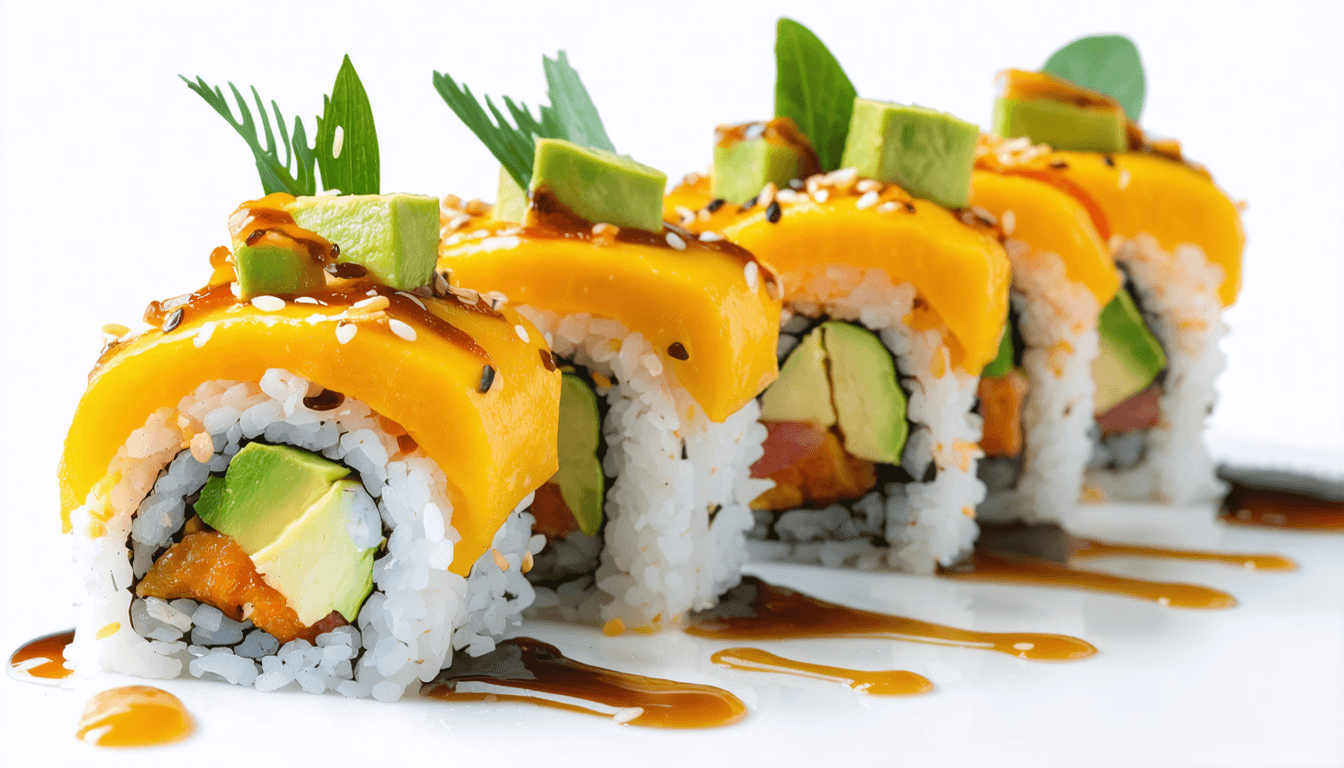
- For a fruity twist, consider using mango as a filling. Slice fresh mango into thin strips and pair it with creamy avocado. The sweetness of the mango contrasts beautifully with the rich, buttery avocado, creating a delightful bite.
- If you’re a fan of crunch, try adding tempura vegetables to your rolls. Prepare thin strips of sweet potato, zucchini, or bell pepper, and dip them in a light tempura batter before frying them to a crisp golden brown. These crispy elements add an exciting texture to your homemade sushi.
- For a spicy kick, include sriracha or spicy mayo as part of your filling. Mix mayonnaise with a touch of sriracha and drizzle it lightly over your sliced fish, or use it as a dip to accompany your rolls. This balances the flavors and adds an exciting heat to your sushi.
- Another classic filling is smoked salmon, paired with cream cheese and capers. This combination provides a rich, savory flavor reminiscent of a bagel and lox, making for a fun twist on the traditional sushi experience.
- Vegetarians can rejoice with a filling of roasted sweet peppers, avocado, and arugula, drizzled with a bit of sesame oil. The smoke from the roasted peppers complements the earthiness of the avocado and the peppery notes of arugula, providing a savory yet fresh alternative.
- Experiment with different seasonings by adding sesame seeds or crushed nuts into your rolls for added crunch. Consider using peanuts or even crushed cashews for an unexpected yet delicious element that enhances the overall flavor.
- Don’t forget about the classic cucumber roll! Thinly julienned cucumbers provide a refreshing, crisp texture and can be paired with any of the aforementioned ingredients to create a light and satisfying roll.
“Good sushi is not just about the fish; it’s about how you play with flavors and textures.” – Anonymous
With these creative filling ideas, you have a plethora of options to personalize your sushi experience. Whether you lean toward traditional flavors or opt for adventurous twists, the endless combination possibilities make homemade sushi not just a meal, but a fun culinary journey.
Tips for a Perfect Sushi Experience
Prepare the sushi experience by creating an inviting and interactive atmosphere. Start by setting your table with beautiful dishware, chopsticks, and a selection of dipping sauces. Creating an elegant presentation not only adds to the meal’s aesthetic but also has a psychological impact, making the dining experience feel more special.
Ensure that you have all your ingredients ready, as an organized setup will help you move smoothly from rolling to serving. Having everything at hand creates an engaging and fluid workflow, allowing you and your dinner companion to focus on the fun of sushi-making instead of scrambling for ingredients. Preparation can also lead to more creative ideas as you see the variety of ingredients laid out before you, daring you to experiment and try something new.
While rolling sushi, take time to savor the moment. Engage in conversations about flavors, techniques, and preferences—this can lead to a deeper appreciation of your craft. Sharing tips about what combinations work best can turn a simple cooking session into a delightful exchange of culinary secrets and cultural insights. Challenge each other with unique combinations or come up with themed rolls, such as colors associated with a specific occasion or season.
Additionally, consider pairing your homemade sushi with complementary beverages. Green tea is a classic choice, providing a traditional Japanese flavor, while a light sake or white wine can elevate the experience, enhancing the flavors of the sushi. This mindful pairing encourages a fully immersive dining experience, stimulating all senses as you enjoy your meal.
Lastly, embrace the act of tasting your creations together. Perhaps set aside some time to rate each roll—what worked well, what was unexpected, or what flavor exploded in your mouth. This come-together moment not only strengthens bonds but also keeps the excitement alive in the kitchen. After all, homemade sushi is about enjoyment, exploration, and celebrating the culinary journey together.
- What type of rice is best for sushi?
- Sushi rice, or short-grain Japonica rice, is ideal because it has a sticky texture that holds the rolls together. Rinsing and preparing it properly is essential to achieve the right consistency for rolling.
- Can I use regular seaweed instead of nori?
- Nori is preferred for sushi because it offers a unique flavor and texture. Regular seaweed may not provide the same structural integrity or taste, but you can experiment for a different culinary twist.
- How can I make sushi vegetarian-friendly?
- Vegetarian sushi can include a variety of ingredients such as avocado, cucumber, carrots, and even marinated tofu. Be creative with fillings and consider adding flavors like sesame oil or a variety of veggies for richer textures.
- Is homemade sushi safe to eat?
- Yes, homemade sushi is safe if you use sushi-grade fish and fresh ingredients. Make sure to source your fish from reputable suppliers and keep all ingredients properly refrigerated and prepared.
- What can I use if I don’t have a bamboo mat?
- If you don’t have a bamboo mat, you can use a clean kitchen towel or even roll it by hand. Just be gentle to maintain the integrity of the roll and make sure to keep your hands damp to handle the sticky rice.
- What are some common mistakes when making sushi at home?
- Common mistakes include overfilling the rolls, not preparing the rice correctly, and failing to seal the nori properly. Take your time and practice will help you refine your technique and enhance your sushi-making skills.
- How can I enhance the flavor of my sushi?
- Enhance the flavor of your sushi by properly seasoning the rice with vinegar, sugar, and salt. Additionally, incorporating flavorful fillings and using fresh toppings like sesame seeds or spicy sauces can elevate the taste significantly.
Serving and Enjoying Your Homemade Sushi
After you’ve rolled and sliced your beautiful creations, it’s time to serve and enjoy your homemade sushi. Presentation is key here—not just for aesthetic appeal, but to heighten the dining experience. Arrange your sushi pieces on a clean, colorful plate, ensuring a mix of colors and textures to entice the eyes. Garnish your platter with a sprinkle of sesame seeds, perhaps a few slices of pickled ginger, and a small dish of soy sauce for dipping.
When it comes to enjoying your sushi, take a moment to appreciate the variety you’ve created. Allow your taste buds to explore different flavors and textures with each piece. This is where the fun really begins! You might choose to go traditional, with soy sauce and wasabi on the side, but feel free to add your own flair. Maybe a splash of spicy mayo or a drizzle of sesame oil can elevate the flavors even further.
To make things even more exciting, consider setting up a tasting station. Lay out different toppings, sauces, and garnishes and encourage everyone at the table to customize their sushi as they like. This interactive element not only keeps the atmosphere lively but also fosters creativity. It’s a casual and fun way to invite participation, especially if you’re dining with a group or family. Kids will especially enjoy being able to get hands-on with their food!
Pair your homemade sushi with complementary drinks to elevate the experience further. A chilled glass of sake or a light white wine can enhance the delicate flavors, while a refreshing green tea provides a classic touch. If you’re looking for easy dinner ideas that seamlessly blend flavors, these suggestions will keep your taste buds dancing.
As you dig in, shout out your favorites! Which rolls surprised you? Did a specific combination knock your socks off? Sharing those thoughts can spark dialogue and connection among your diners. Remember, it’s all about creating memories while enjoying great food. It’s okay if some rolls aren’t perfect—what matters most is that you’ve crafted them together and had fun in the process. After all, that’s what homemade sushi and fun meals are all about!
Don’t rush through the meal; take your time to relish each bite. This isn’t just a dinner—it’s an experience! Encourage conversations about the flavors, and how they differ from your favorite sushi restaurant. Who knows, you might even discover a new favorite roll! Enjoy the fruits of your labor, and let every piece remind you of this delightful culinary journey.
How can you get your very own personalized session and free nutrition consult? Call today at Call Dan Hendrix: +1 334-300-0389.
Find out how important a balanced body chemistry truly is. Get on the right track to improved health today!

Leave a Reply