
How can you get your very own personalized session and free nutrition consult? Call today at Call Dan Hendrix: +1 334-300-0389.
Find out how important a balanced body chemistry truly is. Get on the right track to improved health today!
- Essential ingredients for beef stew
- Step-by-step cooking process
- Tips for enhancing flavor
- Serving suggestions and sides
- Storing and reheating leftovers
When it comes to creating a beef stew that warms the soul, having the right ingredients is key. You don’t need to spend hours searching for gourmet items; it’s all about picking quality basics that pack a punch of flavor. Let’s dive into what you really need to whip up this comforting dish that is sure to impress your family or friends!
- Beef Chuck: This is your go-to cut for beef stew. It’s affordable, flavorful, and becomes tender after a long simmer. Aim for around two to three pounds, cut into nice, hearty chunks.
- Vegetables: Go for a mix of classics like onions, carrots, and celery. They add depth and sweetness to your stew. You might also want to throw in some potatoes for extra heartiness and texture.
- Herbs and Spices: Fresh or dried thyme is non-negotiable here; it gives that signature earthy flavor. Don’t forget about bay leaves for a subtle, aromatic hint and salt and pepper to taste.
- Broth: Beef broth is an essential building block. It acts as the stew’s base, so grab low-sodium options if you’re watching your sodium intake, ensuring you can control the saltiness of your dish.
- Tomatoes: Whether you use a can of diced tomatoes or some tomato paste, this adds a nice acidity that balances out the richness of the meat. Plus, it brings a beautiful color to the stew!
- Cooking Oil: Olive oil or vegetable oil will do the trick for browning the meat and sautéing the vegetables. Just a couple of tablespoons will give you a great starting point.
With these essential ingredients, you’re well on your way to making a delicious beef stew. Plus, what’s great is that you can easily mix and match based on what you have on hand. So the next time you’re in a cooking rut, remember these staples, and you’ll have an easy dinner idea ready to go. Let’s get cooking!
Step-by-step cooking process
Begin by preparing your ingredients. Cut the beef chuck into chunky pieces, about 1 to 1.5 inches in size. This allows them to cook evenly while becoming tender. As the American poet Maya Angelou once said, “Cooking is like love; it should be entered into with abandon or not at all.” So, embrace the process!
In a large Dutch oven or heavy pot, heat a couple of tablespoons of oil over medium-high heat. Once the oil is shimmering, add the beef in batches to avoid overcrowding. Season the meat with salt and pepper, and let it sear without stirring for about 3-4 minutes until it develops a rich, brown crust. This Maillard reaction is where much of your flavor will come from. As you cook, you may hear the sizzle, which can be music to your ears.
Once the first batch is browned, remove it from the pot and set aside. Repeat the process until all beef is browned, then return all of it to the pot.
In the rendered fat, toss in diced onions, carrots, and celery—this mix is often referred to as a mirepoix and adds deep flavor to the stew. Sauté for about 5-7 minutes, or until the onions become translucent and fragrant. Pull quote: “Good food is the foundation of genuine happiness.” — Auguste Escoffier.
Next, add minced garlic and cook for an additional minute. This step enhances the overall aroma of your comforting dish. Then, stir in the tomato paste, allowing it to cook slightly—about 2 minutes—to caramelize and sweeten the tomatoes.
Now it’s time to deglaze the pot. Pour in a cup of beef broth, scrubbing the bottom with a wooden spoon to lift the flavorful brown bits that stuck to the pot during the browning process. Don’t forget to add the diced tomatoes and the remaining broth, combining everything together beautifully.
Bring the mixture to a gentle boil and add in the thyme and bay leaves. Lower the heat to a simmer, cover the pot, and let it cook for at least 1.5 to 2 hours. This slow cooking allows the beef to absorb the flavors and become incredibly tender—think of it as a soulful embrace for the meat.
During the last 30 minutes of cooking, add your potatoes, ensuring they cook through without becoming mushy. Check for seasoning, adjusting salt and pepper to your liking. Remember Stephen King’s advice: “All of us have to find a way to make peace with our pasts. For some, this means picking your own ground.” Your beef stew is a chance to choose what flavors resonate with you!
As your stew finishes cooking, the rich aromas will fill your kitchen, creating a comforting ambiance perfect for family dinners or a cozy night in. Your easy dinner ideas just came together, bringing warmth and happiness to the table.
Tips for enhancing flavor
To elevate the flavor of your beef stew and turn it from good to unforgettable, there are some smart tricks and additions you can consider. Don’t think of them as strict rules; rather, they are fun ways to play with flavors and create a stew that you can proudly call your own!
Start by ensuring your beef is well-seasoned. Before searing, sprinkle the chunks with salt and pepper—not just a sprinkle, but a healthy amount. This first layer of seasoning will deepen the flavor of the meat right from the start. Depending on your taste, you might also consider a light dusting of paprika or ground cumin for an additional layer of warmth.
During the cooking process, add a splash of red wine or balsamic vinegar after sautéing your vegetables. Both options help deglaze the pot, enhancing that rich, browned flavor left behind and introducing a lovely acidity that balances the stew’s richness. Feel free to experiment with this; using different wines can result in unique flavors each time you make the dish!
Another way to enhance flavor is through umami boosters. Consider adding Worcestershire sauce or soy sauce along with the broth. Just a couple of tablespoons will amp up the savory notes without overwhelming the dish. These umami-rich ingredients work wonders in comforting dishes, and they’re perfect for making your beef stew taste like it’s been simmering all day!
Herbs and spices are your best friends, too. While thyme and bay leaves are classic choices, why not experiment? Adding fresh rosemary or even a bit of smoked paprika can really amplify that comforting feeling. Chop some parsley and sprinkle it on top right before serving for a fresh finish that brightens the dish.
If you’re a fan of heat, you can add a pinch of red pepper flakes or a diced jalapeño while sautéing the vegetables. It’s a subtle way to give your beef stew a kick, making it a bit adventurous every now and then.
Finally, don’t overlook the impact of finishing touches. A dollop of sour cream or Greek yogurt can provide creaminess at the end and a tangy balance to all those savory flavors. If you’re looking for a lighter option, a squeeze of fresh lemon juice brightens everything up beautifully and is perfect for bringing all the flavors together.
With these tips, you’ll transform your beef stew into a memorable meal that’s not only comforting but also packed with delicious depth. Enjoy exploring these enhancements, and your family will definitely be asking for seconds!
Serving suggestions and sides
To make your beef stew experience even more delightful, consider pairing it with a variety of sides and accompaniments that enhance the hearty charm of the dish. Here are several serving suggestions that will complement your comforting bowl of stew and ensure a well-rounded meal.
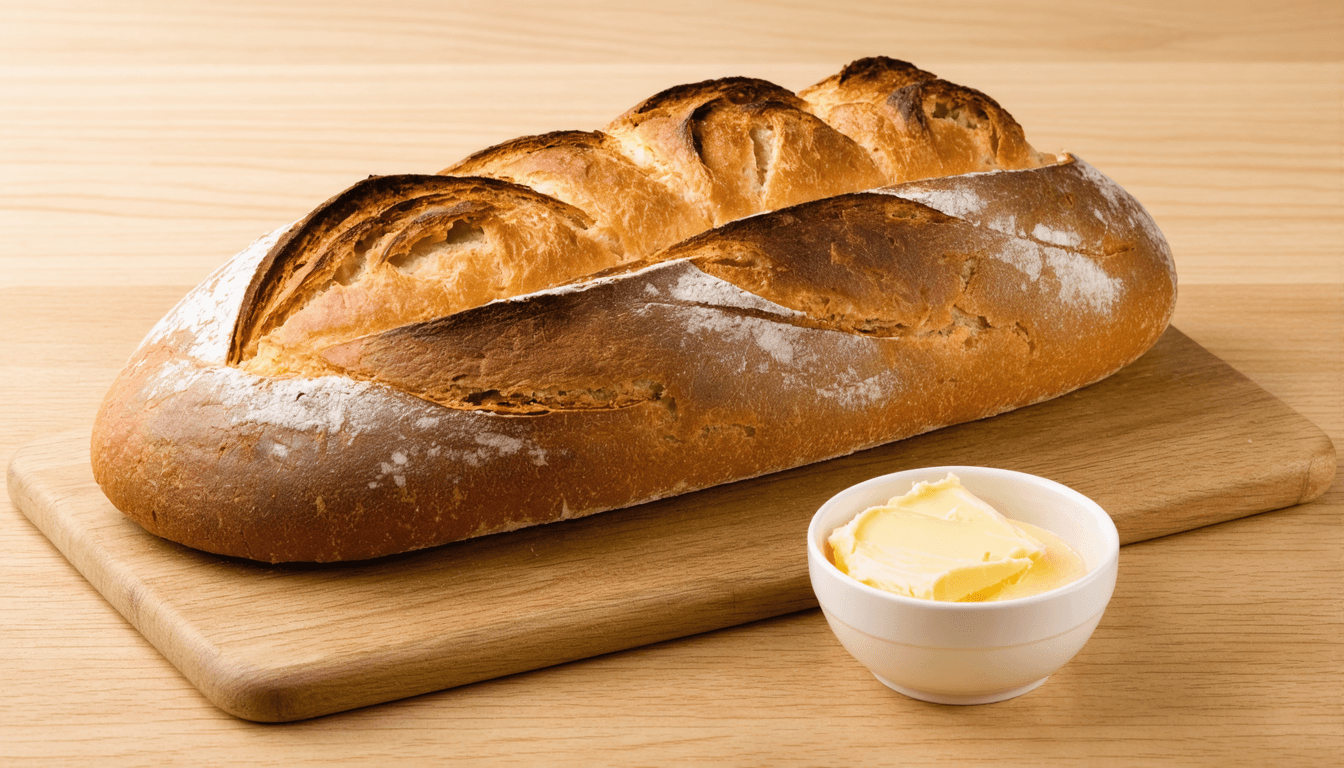
- Crusty Bread: Serve your beef stew with a loaf of fresh, crusty bread. Whether it’s a baguette, sourdough, or a rustic whole grain, the bread is perfect for soaking up the rich broth. Slice it up and offer it on the side, or provide each guest with their own piece for dipping.
- Mashed Potatoes: For an extra dose of comfort, consider a side of buttery mashed potatoes. The creamy texture pairs wonderfully with the stew, and you can even mix in some garlic or chives for additional flavor. This classic combination transforms your stew into a satisfying meal worthy of special occasions.
- Rice or Quinoa: If you’re looking for a lighter option, serving your beef stew over a bed of fluffy rice or nutty quinoa can be an excellent choice. The grains absorb the stew’s flavors, creating a wholesome and fulfilling dish that’s easy to prepare.
- Salad: A crisp, green salad can provide a delightful contrast to the richness of the beef stew. Opt for a simple mixed greens salad with a vinaigrette dressing to cleanse the palate. Add elements like cherry tomatoes or sliced cucumbers to keep it fresh and vibrant.
- Roasted Vegetables: For an added layer of flavor and nutrition, serve your beef stew alongside roasted seasonal vegetables. Toss carrots, Brussels sprouts, or sweet potatoes with olive oil, salt, and pepper, then roast until caramelized. This side not only enhances your meal visually but also adds a depth of flavor.
- Cheese and Cracker Platter: Create a small cheese and cracker platter as an appetizer to enjoy before delving into the stew. Choose cheeses that complement the flavor profile of your dish, such as sharp cheddar or a creamy blue cheese. Pair with savory crackers or breadsticks for a delightful start to your meal.
“Food brings us together; it creates an opportunity to share our stories and connect with each other.”
With these serving suggestions, your comforting beef stew will shine even brighter, making for an incredibly satisfying meal. Don’t hesitate to get creative—I encourage you to mix and match these options based on what you have on hand or what you enjoy most. Elevating your dining experience can offer not only nourishment but also a chance to bond with family and friends over a richly flavored, soul-satisfying bowl of stew.
Storing and reheating leftovers
To maintain the quality of your beef stew after your comforting meal, proper storage and reheating are essential. Start by allowing the dish to cool down to room temperature before transferring it to an airtight container. This helps prevent condensation, which can dilute the stew’s flavors. Refrigerate the stew for up to three days or freeze it for longer preservation; when frozen, it can last for about three months without losing its signature taste.
When you’re ready to enjoy those delicious leftovers, the reheating process is crucial. For best results, warm the beef stew on the stovetop over medium heat. Stir occasionally to prevent sticking and ensure even heating. If the stew appears too thick after refrigeration, you can add a splash of broth or water to reach your desired consistency. Alternatively, if you prefer a microwave, place the stew in a microwave-safe container and cover it with a lid or microwave-safe wrap. Heat it for 2-3 minutes, stirring halfway through, until it’s piping hot.
Remember, enhancing the flavors while reheating is a wonderful opportunity. A sprinkle of fresh herbs or a dash of Worcestershire sauce can revive the dish and bring it back to life. Enjoy the rich aromas as they fill your kitchen once again—after all, a hearty beef stew is best enjoyed with warmth and love!
- Can I freeze beef stew?
- Yes, beef stew can be frozen for up to three months. Make sure to allow it to cool completely before placing it in an airtight container or freezer bag to prevent freezer burn.
- How do I reheat beef stew?
- The best way to reheat beef stew is on the stovetop over medium heat, stirring occasionally. Alternatively, you can use a microwave; heat in short intervals, stirring in between until thoroughly warmed.
- How long can I store leftover beef stew in the fridge?
- Leftover beef stew can be safely stored in the refrigerator for up to three days. Ensure it’s in a well-sealed container to maintain its freshness.
- Can I add more vegetables when reheating?
- Absolutely! You can enhance your beef stew by adding fresh or frozen vegetables while reheating. Just allow some extra time for them to cook through.
- What’s the best way to thaw frozen beef stew?
- The best way to thaw frozen beef stew is in the refrigerator overnight. If you’re short on time, you can use the defrost setting on your microwave, but it may alter the texture slightly.
- Can I make beef stew ahead of time?
- Yes, beef stew is a fantastic dish to make ahead of time. In fact, many people find that the flavors intensify after sitting, making it an excellent option for meal prep.
- What can I do if my reheated stew is too thick?
- If your reheated stew is too thick, you can easily adjust it by stirring in a little beef broth or water until you reach your desired consistency.
How can you get your very own personalized session and free nutrition consult? Call today at Call Dan Hendrix: +1 334-300-0389.
Find out how important a balanced body chemistry truly is. Get on the right track to improved health today!

Leave a Reply