
- Understanding your nutritional needs
- Choosing base ingredients
- Flavor enhancing techniques
- Meal storage and portioning tips
- Personalizing your meal prep routine
Before diving into the flavors and fun of healthy meal prep, it’s crucial to get a grip on what your body needs to thrive. Everyone has unique nutritional requirements based on their lifestyle, fitness goals, and even personal preferences. So, let’s chat about how to lay down that solid foundation for your meals, ensuring that they not only taste great but also support your overall health and energy levels.
First off, consider your daily activity level. Are you a busy professional racing from meeting to meeting, or a college student juggling classes and study sessions? Maybe you’re hitting the gym or the field after work. Each of these lifestyles will require different amounts of macronutrients—carbohydrates, proteins, and fats. For example, if you’re burning a ton of calories with workouts, you might want to increase your protein intake to help with muscle recovery.
To make things simple, jot down a quick plan of your daily activities. Start with your meals and then see how you can align your customization with what you need for sustained energy and satisfaction throughout the day. If you know a long day is ahead, it might be helpful to prepare meals that are rich in complex carbs, lean proteins, and healthy fats to keep you feeling fuller longer.
Next up is understanding portion sizes. This can vary greatly depending on your goals. If you’re aiming to maintain weight, you’ll want to stick to regular serving sizes; however, if weight loss is your goal, you might consider smaller portions or lower-calorie versions of your favorite meals. On the flip side, if you’re trying to gain muscle or simply keep up energy levels, stepping up those portions might just be the ticket.
- Carbohydrates: Choose whole grains like quinoa, brown rice, or sweet potatoes. They provide energy and fiber.
- Proteins: Think lean meats, fish, beans, or tofu. Adjust based on your activity level—more for those intense workout days!
- Fats: Incorporate healthy fats from avocados, nuts, and olive oil, but be mindful of portion sizes as they can add up quickly.
And while it may seem all about numbers, don’t forget how you can integrate your favorite flavors into the mix! It’s where the real joy of cooking comes in. You can easily blend your nutritional requirements with your taste buds by choosing spices and herbs that appeal to you. If rosemary and garlic make your heart sing, sprinkling them on your chicken or veggies can transform a basic meal into something you look forward to throughout the week.
Lastly, remember that what works for your best friend might not work for you. Dietary needs are highly personalized. So, keep adjusting and finding out what makes you feel your best. The beauty of healthy meal prep lies in its flexibility. By tapping into your nutritional needs, you can make sure that every spoonful aligns with your goals while also being delicious and satisfying!
Choosing base ingredients
Choosing the right base ingredients is fundamental in customizing your healthy meal prep. These ingredients form the cornerstone of your meals, influencing not just nutritional value, but also flavor and texture. With a few simple guidelines, you can select the ideal base ingredients that cater to your personal preferences and help you achieve a well-rounded diet.
Whole Grains
A strong foundation in healthy meal prep often starts with whole grains. Options like quinoa, brown rice, farro, and whole-wheat pasta are not only packed with fiber but also provide lasting energy. Fiber slows digestion, keeping you fuller for longer, which is especially important during busy weekdays. When selecting grains, consider your taste preferences. For instance, if you enjoy a nutty flavor, quinoa or farro might be your go-to choices. If you’re looking for something hearty, brown rice or barley provides great texture and complements various proteins and vegetables.
Vegetables
Incorporating a variety of vegetables is another essential step in building a solid base for your meals. Aim for a colorful mix that includes dark leafy greens, cruciferous vegetables, and root vegetables to maximize nutrient intake. Spinach and kale are excellent sources of iron and vitamins A and C, while sweet potatoes and carrots offer a wealth of antioxidants. Choose vegetables based on personal preference and seasonal availability to ensure they taste fresh. Roasting or sautéing can also enhance their flavor, making them more appealing in your meal prep.
Proteins
Protein is a vital component in sustaining energy levels and aiding muscle repair. When selecting proteins, consider both your dietary preferences and how they align with your activity levels. Lean meats like chicken and turkey, fish such as salmon or tuna, and plant-based options like lentils, chickpeas, and tofu provide great nutritional diversity. If you’re looking to increase plant-based meals, try experimenting with marinades or cooking techniques to enhance flavors, accommodating your unique taste.
Fats
Healthy fats, while energy-dense, play a crucial role in your overall diet. Incorporate sources like avocados, nuts, seeds, and olive oil to boost flavor while also supporting nutrient absorption and hormone regulation. Pay attention to portion sizes, as fats are calorie-rich. For example, a tablespoon of olive oil can be a fantastic addition for cooking or as a dressing, enhancing the flavor of your meal while still being mindful of your caloric intake.
Customization Through Flavor
In addition to choosing nutrient-dense ingredients, don’t overlook the importance of flavor in your meal prep. This is where spices, herbs, and other flavor enhancers come into play. Garlic, ginger, cumin, and smoked paprika can transform a simple dish into something exceptional. Tailor these to your palate; for example, if you enjoy heat, experiment with adding chili flakes or fresh jalapeños to your meals. Using flavor enhancers will not only make your meals more enjoyable but will also help you stay on track with your healthy meal prep.
By being deliberate in your choices, you can create a foundation for meals that aligns not only with your nutritional needs but also with what you enjoy eating. This thoughtful approach to selecting base ingredients will enhance your meal prep experience, making it more sustainable and satisfying in the long run. Balancing nutrition and flavor through customization ensures that not only are you nourishing your body, but you’re also indulging in the foods you love.
Flavor enhancing techniques
When it comes to flavor, understanding the various ways to enhance your meals can truly make all the difference between a mundane dish and a tantalizing one. There are so many techniques at your fingertips, and a little creativity goes a long way in your healthy meal prep journey. Start by exploring herbs and spices—these powerhouses can completely transform the taste of otherwise simple ingredients.
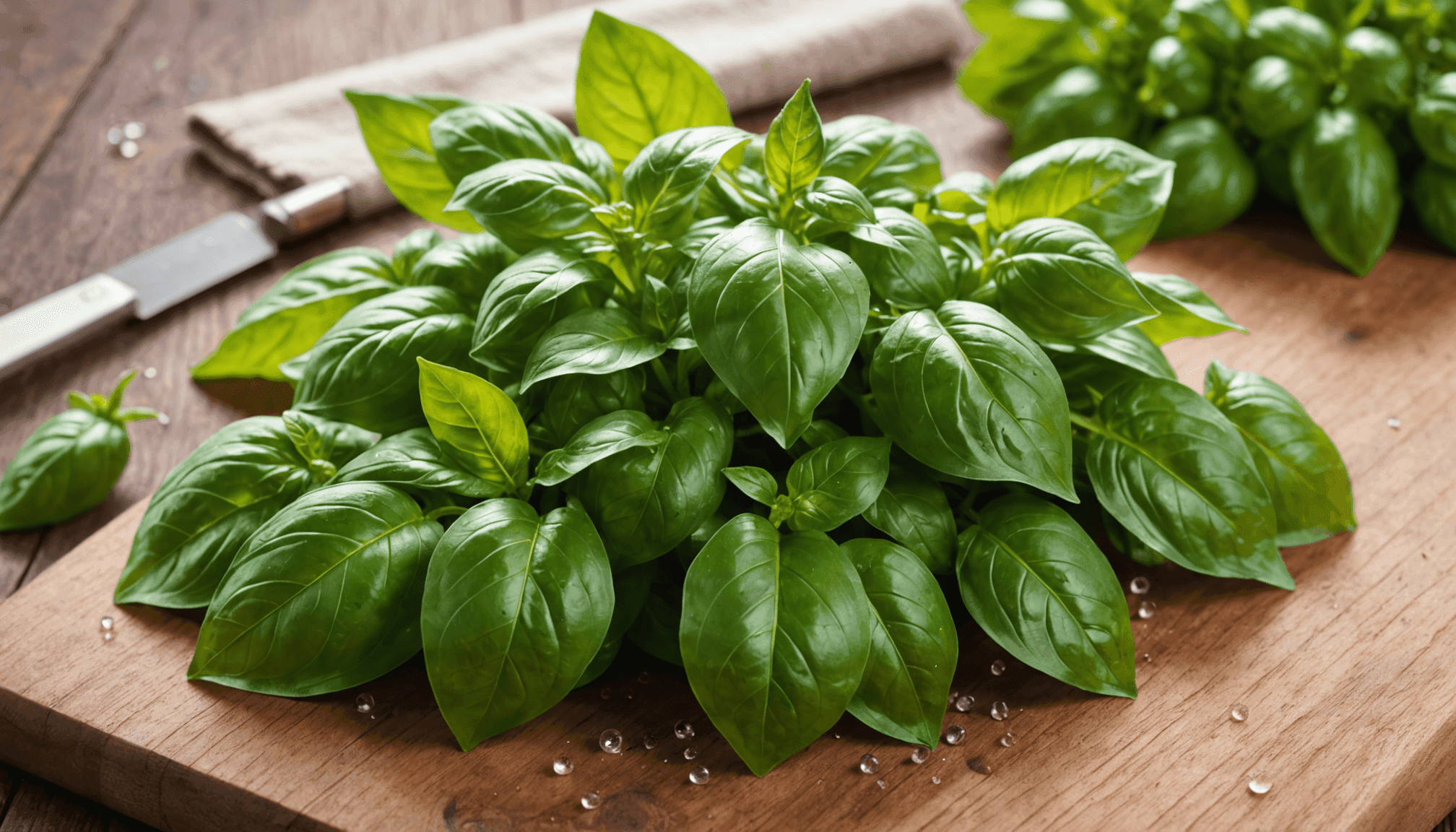
Herbs like basil, cilantro, thyme, and parsley can add a refreshing twist to virtually any meal. For instance, tossing a handful of fresh basil into a warm quinoa salad not only brightens the flavor but also packs in some extra nutrients. On the other hand, dried herbs such as oregano and rosemary can enhance roasted veggies or baked meats. Remember, fresh herbs give a burst of flavor, while dried options often give a deep earthiness, so use them according to your dish.
Spices are another essential tool in your flavor toolbox. Whether it’s a sprinkle of cumin for that warm, nutty flavor or a dash of chili powder for that kick, spices have the ability to take your meal from zero to hero. For example, if you’re marinating chicken for your weekly meals, adding a bit of smoked paprika not only colors the dish beautifully but also adds a smoky depth that can really satisfy your taste buds.
Another great way to enhance flavors is through the use of sauces and dressings. Homemade dressings made with olive oil, vinegar, mustard, and a bit of honey can customize your salads and grain bowls perfectly. A simple lemon-tahini dressing can take your roasted vegetable dish to a whole new level, making it creamy and zingy at the same time. And for those who want an extra flavor punch without a lot of effort, bottled sauces like teriyaki or sriracha can be a quick way to add flavor, just be mindful of their sugar and sodium content.
Don’t forget about the power of cooking methods! How we prepare our food can impact flavor significantly. Roasting vegetables caramelizes their natural sugars, resulting in a sweet, rich flavor you might not get from steaming. Similarly, grilling meats can add a delightful smoky flavor, making even the simplest chicken breast taste gourmet. Experimenting with different cooking techniques can be an enjoyable way to discover new flavor profiles.
Lastly, let’s talk about balancing flavors. A touch of sweetness, acidity, and even saltiness can elevate a dish to delightfully complex levels. For example, if you cook tomatoes for a sauce, a sprinkle of sugar can cut through the acidity and bring out their natural sweetness. Pairing acidic elements like lemon juice or vinegar with rich and fatty foods can help cleanse the palate, making it easier to enjoy your meals. Finding that perfect balance is key to personalizing your healthy meal prep, ensuring that every bite is a journey of flavors.
Using these flavor enhancing techniques can truly transform your meal prep experience. It’s all about experimenting and figuring out what you love. With these tricks up your sleeve, you can not only meet your nutritional needs, but also create meals that are bursting with flavor and made just the way you like them.
Meal storage and portioning tips
“The secret to culinary greatness lies in the combination of flavors, textures, and personal preferences.” – Unknown
Proper meal storage and portioning are pivotal for maximizing the benefits of healthy meal prep. Understanding the best methods to store your meals not only maintains their freshness but also contributes to making mealtime more convenient. Here’s how to effectively manage your meal storage and portioning:
- Choose the Right Containers: Invest in a variety of airtight containers made from glass or BPA-free plastic to keep your meals fresh. Opt for clear containers to easily see what’s inside.
- Portion Control: Instead of packing meals into one container, divide them into individual servings. This helps to control portions and makes grabbing meals on busy days a breeze. Aim for balanced portions that include a good ratio of carbohydrates, proteins, and fats.
- Labeling: Label your containers with the meal name and date it was prepared. This not only helps you keep track of freshness but also assists in choosing meals based on your cravings. Use masking tape or reusable labels for easy identification.
- Store More, Waste Less: Prepare double batches of your favorite meals. This will save time and ensure you have healthy options readily available. Freeze portions that won’t be consumed within the week to avoid spoilage.
- Reheating Techniques: When reheating, do so gradually to preserve texture and flavor. For best results, use the stove or microwave on lower heat settings, and cover dishes to avoid drying them out.
- Keep Hygiene in Mind: To avoid foodborne illnesses, let meals cool down to room temperature before sealing them in containers. Ensure containers and utensils are clean, and observe proper food safety guidelines.
- Organize the Fridge: Place older meals at the front of the refrigerator and newer meals at the back. This helps you consume the more perishable items first and prevent food waste.
- Incorporate Variety: Aim to mix up your meals throughout the week to prevent boredom. Prepare rotating choices like a dinner stir-fry one night, followed by a grain bowl the next, to keep your meals interesting.
By applying these strategies, you will streamline your meal prep experience and ensure that every meal is just as enjoyable as it was on the day you prepared it. With well-organized storage and thoughtful portioning, the healthy eating experience can become not just sustainable, but also an exciting and delicious routine tailored to your preferences.
Personalizing your meal prep routine
 Personalizing your meal prep routine starts with a reflection on what works best for you. This is not just about selecting ingredients but also about crafting a process that suits your busy lifestyle while aligning with your health goals and culinary preferences. Consider your time constraints—both for meal preparation and consumption. If you find that evenings are rushed, perhaps you could allocate more prep time on the weekends, batch-cooking meals that can be easily reheated during the week. Conversely, if you thrive on spontaneity, perhaps a basic meal kit approach—prepping various components that can be combined differently each day—will keep things exciting.
Think creatively about your cooking schedule. Do you prefer to prepare everything in one day, or would smaller, more frequent cooking sessions be more manageable? This is an opportunity to not only streamline your cooking but also to embrace the joy of exploration as you try new recipes and techniques.
Integrating your own culinary twists is an essential aspect of personalization. Maybe you have a go-to spice mix that elevates meals or a beloved family recipe that can be altered to fit healthier parameters. Experimenting with seasonal produce can also inspire creativity and freshness in your meals. Are you a fan of vibrant summer tomatoes? Consider tossing them with whole grains and a light vinaigrette for a satisfying summer salad.
As you delve into meal prep customization, remember that adhering to a routine is about finding a balance between structure and flexibility. It’s about holding yourself accountable to your health goals while allowing for indulgence in flavors that excite you. By tuning into your cravings and preferences, meal prep transforms from a mundane task to a fulfilling culinary adventure where health meets taste.
- What basic ingredients should I have on hand for meal prep?
- Focus on whole grains, lean proteins, an assortment of colorful vegetables, and healthy fats. These staples serve as the foundation of many healthy meals and can be easily customized with your favorite flavors.
- How can I make healthy meal prep more enjoyable?
- Include a variety of herbs, spices, and sauces to keep things interesting. Experiment with new recipes, and don’t hesitate to personalize meals with your favorite ingredients to enhance enjoyment.
- What are some easy meal prep ideas for beginners?
- Start with simple recipes such as grain bowls, stir-fries, or sheet pan meals. These options require minimal prep and allow for easy customization based on your taste preferences.
- How do I store meal prep dishes to keep them fresh?
- Use airtight containers made from glass or BPA-free plastic. Label each container with the meal name and date, and store more perishable items in the front of your fridge for easier access.
- Can I meal prep for multiple dietary preferences?
- Absolutely! Prepare versatile base ingredients that can be mixed and matched with protein and vegetables based on individual preferences. Create sauces or dressings that cater to different tastes.
- How long can I store meal prep meals in the fridge?
- Typically, cooked meals can last in the refrigerator for 3 to 4 days. For longer storage, consider freezing portions that won’t be consumed within that timeframe.
- What are some tips for balancing flavors in meal prep?
- Incorporate sweet, salty, sour, and umami elements to create a well-rounded dish. Use acids like lemon juice or vinegar to brighten flavors, and experiment with sweeteners sparingly to balance out tastes.

Leave a Reply