- Homemade baby food benefits
- Choosing the right ingredients
- Meal prep strategies
- Storage and safety tips
- Flavor variations and combinations
There’s something truly special about making your own baby food. First off, you get to control exactly what goes into those tiny jars. No more ingredient lists that sound like a science experiment—just pure, wholesome ingredients that nourish your little one. Think about it: when you whip up some sweet potato puree, you’re not just serving your baby; you’re serving love on a spoon! Homemade baby food is fresher, and let’s be real, it’s often way tastier than store-bought options.
Another perk of diving into the world of homemade recipes is that you can introduce your baby to a variety of flavors and textures early on. Instead of sticking to those generic apple and carrot combinations, you can blend up avocado and banana for a creamy treat or throw in some peas with a hint of mint for a fun twist. This variety isn’t just fun; it’s also great for developing your baby’s palate and helping them appreciate different foods as they grow.
Plus, making your own baby food can be budget-friendly. Have you ever looked at the price of those little jars? Yikes! By choosing fresh ingredients in bulk, you can save some serious cash while ensuring quality. It allows you to experiment and tailor meals specifically to your baby’s preferences, creating a more personalized food adventure.
And let’s not forget about the health aspect. With homemade baby food, you can skip the added sugars and preservatives that often sneak into pre-packaged options. You’re opting for nutritious, whole foods that support growth and development. You’ll find comfort in knowing what your little one is consuming, fostering a healthy relationship with food from the start.
So whether you’re pureeing fruits and veggies or getting creative with grains, the choice to make homemade baby food means you’re prioritizing your child’s health, saving money, and having a blast in the kitchen. Now, who wouldn’t want that?
Choosing the right ingredients
Choosing the right ingredients involves understanding the nutritional needs of your baby and selecting foods that provide the essential vitamins and minerals necessary for growth and development. It’s important to choose organic produce when possible to minimize exposure to pesticides. As recent studies indicate, the dietary exposure to pesticides in early childhood may be linked to various health issues, emphasizing the need for careful ingredient selection.
Fresh Fruits and Vegetables
Fresh fruits and vegetables should be the cornerstone of your homemade baby food. Foods like sweet potatoes, carrots, peas, and green beans are rich in vitamins A and C, which are essential for immune health. According to the American Academy of Pediatrics, introducing a variety of vegetables early can help prevent pickiness later on and encourage a lifelong penchant for healthy eating.
Whole Grains
Incorporating whole grains like brown rice, quinoa, and oatmeal into your baby’s diet is important for providing necessary energy and nutrients such as fiber. The Academy of Nutrition and Dietetics suggests that whole grains can support healthy digestion and promote a balanced diet as your baby grows. It’s easy to blend these grains into purees or serve them as a textured food when your baby is ready.
Proteins
Don’t overlook the importance of protein in your baby’s diet. Foods such as lentils, beans, and even small bits of chicken or fish can be introduced safely as your baby develops. According to research published in the journal Nutrients, protein intake during infancy is crucial for optimal growth and plays a significant role in developing muscle mass and supporting brain development.
Healthy Fats
Healthy fats are also essential, especially for brain development. Avocados and full-fat yogurt are great options for providing these nutrients. A study in The Journal of Pediatrics highlights the role of polyunsaturated fatty acids, found in foods like fish and flaxseed, in optimizing cognitive function in children. Including these ingredients can help form a balanced diet that supports cognitive and physical development.
Allergen Introduction
Though it can be a point of concern, introducing potentially allergenic foods such as peanuts and eggs during the first year has been shown to reduce the risk of developing food allergies. The National Institute of Allergy and Infectious Diseases advises that early introduction alongside other complementary foods can help your baby’s body adapt and even promote a wider acceptance of different flavors and textures.
Homemade Recipes
When you prepare food at home, you have the flexibility to mix and match ingredients, ensuring that your baby is getting a diverse range of nutrients. For instance, you could combine spinach with banana for a nutrient-rich treat, or pear with quinoa for a sweet, hearty meal. Monitoring your baby’s reactions to various ingredients is easier when you create your own baby food, fostering an environment for exploration and healthy meal prep.
The right ingredients not only ensure the nutrient density of your baby’s meals but also create an opportunity for early learning about diverse flavors and healthier eating habits.
Meal prep strategies
When you’re diving into homemade baby food, the way you tackle meal prep can make all the difference, especially for busy families like yours! Let’s get into some effective strategies that will streamline your process and keep things fun in the kitchen.
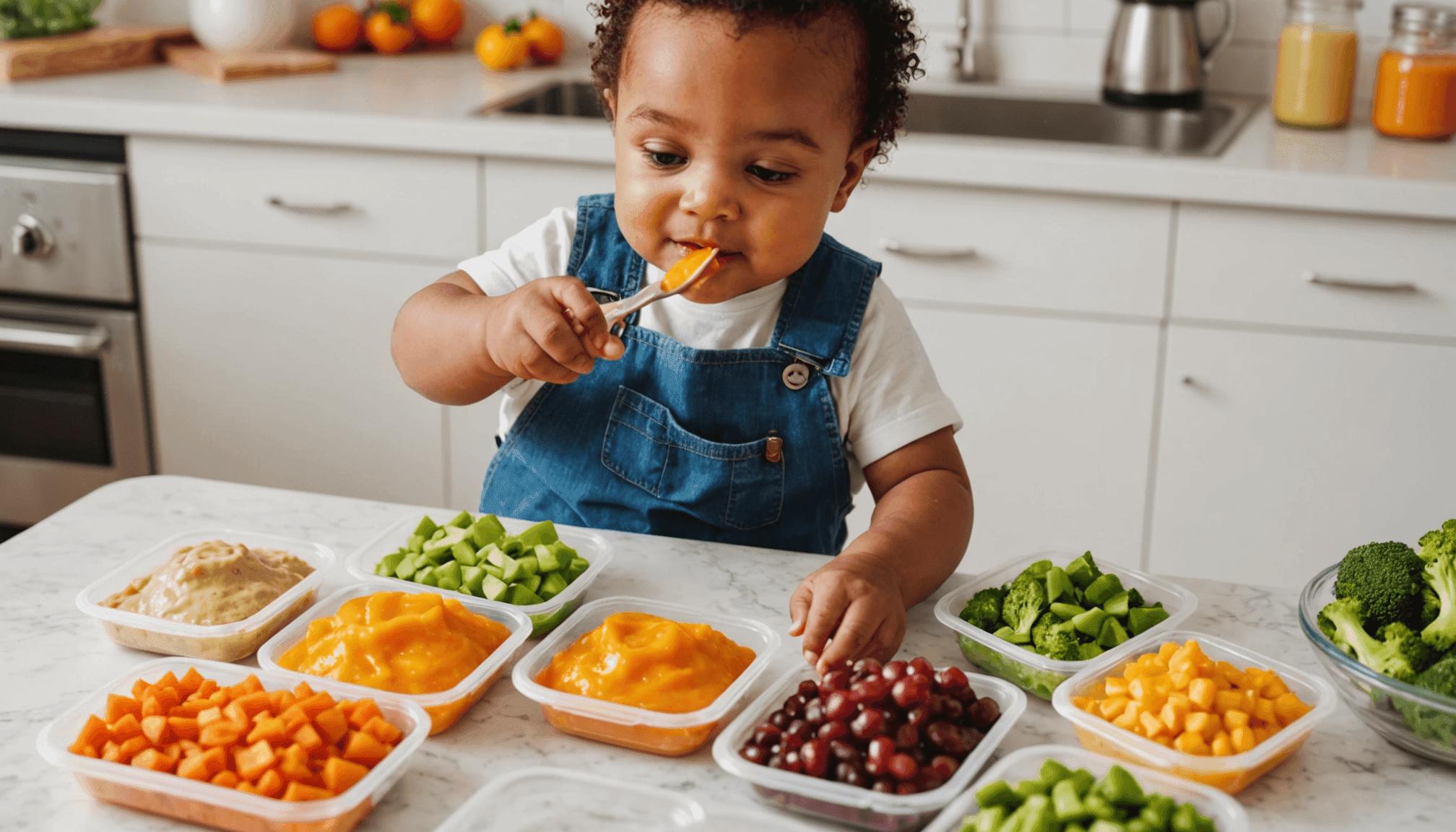
First off, gathering your tools and ingredients is key. Before you even start slicing, take a moment to set up your workspace. Make sure you have a solid blender or food processor handy, along with some ice cube trays or small containers for storing your baby food. Having everything within arm’s reach reduces the chaos and lets you focus on whipping up those adorable purees.
Next, think about batch cooking—seriously, it’s a game changer! Spend a couple of hours one day a week to whip up several different purees at once. Cook your ingredients (like steaming veggies or poaching fruits), and then blend away. Divide these into ice cube trays; each cube will hold about an ounce of food, perfect for portioning out later. This method not only saves you time but also ensures you always have healthy meals ready on hand. Remember, you can mix and match flavors as you go. If you have leftover sweet potatoes from one meal, why not blend them with peas or a bit of chicken for a new taste sensation the next day?
To simplify your meal prep, get into the habit of using seasonal produce. Not only does this tend to be more flavorful and nutritious, but it can also save you money. Shopping at local farmers’ markets or subscribing to a vegetable box delivery can provide you with fresh, organic ingredients without breaking the bank. And remember, if you’ve got a surplus of something, you can always make extra batches and freeze them for later, so nothing goes to waste.
Emphasizing time management can really help, too. While your ingredients are steaming or baking, use that time to wash and prep the next batch. Meanwhile, keep a close eye on your little one; meal prep turns into a family bonding experience when you involve them (or at least have them “help” supervise!). Play some fun music, and turn it into a dance party while you cook—you’d be surprised at how much you can get done when you’re having a good time!
Don’t forget about experimenting with textures as your baby develops. Start with smooth purees, but as they grow, gradually introduce chunkier blends to help with their chewing skills. Use your meal prep sessions as an opportunity to get creative. Do a little taste test with your partner or older kids on some of the more adventurous flavors—like a spicy carrot blend or a sweet potato and pear mash—to see what resonates. It can be fun to explore flavors together and involve the whole family in the health journey.
Always label your containers with the date of preparation. You’ll want to keep track of freshness and avoid any mix-ups in flavors as you dive into this homemade baby food adventure. By putting these strategies into practice, you’ll not only save time but will also create joyful moments shared over healthy meals. You’re setting the stage for a lifetime of good eating habits and satisfying smiles—all in a busy, yet charming kitchen!
Storage and safety tips
“Food is the ingredient that binds us together.” – Anonymous
When it comes to storing homemade baby food, it’s essential to prioritize both freshness and safety. Proper storage not only preserves the nutritional value of your creations but also prevents foodborne illnesses. Here are some detailed steps to ensure your baby’s meals remain safe and delicious:
- Cool Down Quickly: Once you’ve prepared the baby food, allow it to cool down to room temperature as quickly as possible. You can do this by placing the food in shallow containers or spreading it out on a flat surface to enhance cooling.
- Use Clean Containers: Choose airtight containers or freezer bags specifically designed for food storage. Ensure that the containers are clean and sanitized before use to avoid any contamination. Glass jars, silicone containers, and BPA-free plastic are all great options.
- Portion It Out: Single-serving sizes work best, as they not only make mealtime easier but also reduce waste. If using ice cube trays, fill each section with the desired amount of puree, then cover with plastic wrap or a lid before freezing.
- Label the Containers: Always label your containers with two crucial pieces of information: the date of preparation and the type of food. This practice will keep you organized, making it easier to remember what you have on hand and ensuring the food is consumed within its safe timeframe.
- Store in the Freezer: Homemade baby food can be stored in the freezer for up to three months. The freezer helps to lock in nutrients and maintain freshness. For shorter-term storage, purees can be kept in the refrigerator for up to 48 hours. Make sure your fridge is operating at the right temperature (below 40°F or 4°C) for safety.
- Thaw Safely: When you’re ready to use the frozen baby food, always thaw it in the refrigerator, under cold running water, or in the microwave. Never leave it out at room temperature to thaw, as this can encourage harmful bacteria growth.
- Monitor Freshness: Check the appearance, smell, and texture after thawing. If anything seems off or the food has been stored beyond the recommended time, it’s better to err on the side of caution and discard it.
- Serve and Stir: Before serving the thawed food, give it a good stir to ensure an even temperature. This helps avoid hot spots if you’ve used the microwave. Always test the temperature before feeding it to your baby.
- Hygiene Practices: Always wash your hands before handling any baby food. Use clean utensils and avoid feeding directly from the storage container to avoid cross-contamination. If your baby doesn’t finish a serving, it’s best to discard what remains.
By following these guidelines, you can ensure that your homemade baby food remains safe, delicious, and packed with the nutrients your little one needs. Using effective storage methods will also simplify your healthy meal prep, giving you more time to enjoy those precious moments with your baby.
Flavor variations and combinations
 Creating delightful flavor variations for homemade baby food is an exciting way to introduce your little one to the culinary world. Beyond basic purees, think creatively to combine different fruits, vegetables, and grains to create a symphony of taste and texture that engages your baby’s developing palate. For instance, blending apples with cinnamon not only adds a warm flavor but also introduces your baby to an aromatic spice that can later become a family favorite. Consider blending peas with mint, or adding a hint of ginger to sweet potato puree for a slight kick.
Also, experimenting with textures can be an adventure! Start with smooth purees, and gradually introduce chunkier blends as your baby learns to chew. This not only promotes oral and motor skills but also fosters independence. You might try blending quinoa with mashed bananas to create a luscious, nutrient-dense snack that is soft yet satisfying. Mixing cooked lentils with sweet carrots can yield a nutritious meal that combines protein with the sweetness familiar to your baby.
Another way to inspire delightful combinations is by using seasonal produce. Framework your meals around what’s fresh and in season, as this ensures maximum flavor and nutrient density. Seasonal ingredients not only enhance taste but also create a wonderful bonding experience as you explore local farmers’ markets for ingredients together.
Don’t shy away from using herbs and spices to diversify flavors further. Just a sprinkle of turmeric in carrot puree or a dash of rosemary in potato puree can elevate the taste and broaden your baby’s taste horizon. Introducing herbs early can help diminish picky eating as they grow older, aligning with research that suggests early exposure to varied flavors may lead to more adventurous eaters in the future.
Creating distinct flavor combinations allows you to customize your baby’s diet to suit their preferences. Taste testing blends before presenting them to your baby can help you discover what delights their tiny taste buds, paving the way for a joyful eating experience. By embracing experimentation in flavor variations, you’re not only making feeding time fun but also cultivating a lifelong appreciation for diverse foods.
- What are the benefits of making homemade baby food?
- Homemade baby food is fresher, often tastier, and allows you to control the ingredients, avoiding added sugars and preservatives. It also helps introduce your baby to a variety of flavors and textures, encouraging healthy eating habits.
- How can I safely introduce allergens in homemade baby food?
- Research suggests introducing potentially allergenic foods like peanuts and eggs early on, ideally mixed into other foods. Always consult your pediatrician before introducing allergens, particularly if there’s a family history of allergies.
- Can I use frozen fruits and vegetables for baby food?
- Yes, frozen fruits and vegetables can be just as nutritious as fresh ones, often picked and frozen at peak ripeness. They can be a convenient and healthy option for homemade baby food.
- How should I store homemade baby food?
- Store homemade baby food in airtight containers in the fridge for up to 48 hours or freeze it for up to three months. Don’t forget to label containers with the date and type of food for easy identification.
- What’s the best way to thaw frozen baby food?
- Thaw frozen baby food in the refrigerator, under cold running water, or in the microwave. Avoid thawing it at room temperature to prevent harmful bacteria growth.
- Can I mix different flavors in homemade baby food?
- Absolutely! Mixing different flavors not only diversifies nutrition but also helps develop your baby’s taste preferences. Be creative with combinations like sweet potato and apple or peas and mint.
- How can I tell if homemade baby food has gone bad?
- Check for changes in appearance, odor, or texture after thawing. If anything seems off or it has been stored beyond the recommended time, it’s safer to discard it.

Leave a Reply