
How can you get your very own personalized session and free nutrition consult? Call today at Call Dan Hendrix: +1 334-300-0389.
Find out how important a balanced body chemistry truly is. Get on the right track to improved health today!
- One-pot meal benefits
- Essential ingredients for one-pot meals
- Easy one-pot recipes
- Tips for perfecting one-pot cooking
- Cleaning and maintaining your cookware
One-pot meals bring a wonderful array of benefits to the bustling lives of families, busy professionals, college students, and even sports enthusiasts. For those who juggle hectic schedules, the allure of a meal that caters to quick and easy preparation cannot be overstated. Imagine a meal that not only saves time but also boosts your nutrition—all in a single pot! That’s the beauty of one-pot cooking.
First and foremost, these meals are a lifesaver when it comes to time management. With everything cooked in one vessel, you can easily prep ahead to reduce your meal prep time during the week. Whether you’re a parent managing school drop-offs or a professional who comes home exhausted, knowing that dinner is just a few ingredients away can be incredibly relieving. You can just throw everything in, let it simmer, and focus on other tasks—whether that involves checking homework or unwinding with a good book.
Moreover, one-pot meals often lead to fewer dishes to wash after dinner. This not only means less cleanup but also can inspire more home-cooked meals rather than resorting to takeout. You’ll find that spending time cooking can be rewarding, and you can include your favorite flavors and healthy ingredients without the hassle of managing multiple pots and pans.
Nutrition is another key benefit. It’s easy to create balanced meals when everything is cooked together. You can toss in your choice of protein, a variety of veggies, and grains—all in one go. This method allows the flavors to meld beautifully while ensuring you get a well-rounded nutritional profile. Think of hearty vegetable stews or protein-packed chili that are robust in flavor and rich in nutrients. It’s an excellent way to sneak more veggies into your diet, especially for picky eaters!
Additionally, one-pot meals are incredibly versatile. You can change up the flavors and ingredients based on the season or what you have in your pantry. This adaptability makes it easy to experiment with international cuisines—just by swapping out a few spices or adding different vegetables. Try a spicy Moroccan tagine using chickpeas and sweet potatoes one week, and switch to a creamy Italian risotto with mushrooms the next. The possibilities are endless, and each meal can feel like a new experience without requiring extra effort.
For those following specific dietary goals, such as being gluten-free or vegetarian, one-pot meals provide the flexibility to cater to your needs without needing a separate recipe for each dish. You control what goes in, ensuring that meals align perfectly with your health ambitions while still being delicious.
One-pot meals are not only about saving time and effort; they can also foster creativity in the kitchen, promote healthier eating, and create a welcoming atmosphere around the dining table. As you embrace these quick and easy recipes, you’ll discover just how satisfying it can be to serve a flavorful dish that brings everyone together without the fuss.
Essential ingredients for one-pot meals
When it comes to one-pot meals, having the right ingredients on hand is crucial for crafting delicious and satisfying dishes with minimal effort. By focusing on essential components that can complement each other and enhance the flavors, you’ll be well-equipped to create varied and appetizing meals that fit into your busy lifestyle.
Proteins
Start with a solid protein base, as this will generally serve as the foundation of your dish. Common choices include chicken, beef, shrimp, or plant-based proteins like lentils and beans. For instance, chicken thighs are favored for their moisture and flavor, making them perfect for a hearty chicken and vegetable stew. Alternatively, black beans can make for a nutritious and satisfying vegetarian chili. Incorporating proteins that are rich in flavor reduces the need for excessive seasoning, allowing for a more natural blending of tastes in your one-pot creations.
Grains
Next, add grains to your one-pot meal to provide substance and balance. Options like rice, quinoa, and couscous work well because they absorb flavors beautifully. For example, a one-pot lemon herb rice with sautéed vegetables and shrimp can showcase how grains can transform an ordinary meal into an extraordinary one. Quinoa, being a complete protein, is an excellent option, especially for veggie-heavy dishes. When using grains, it’s vital to consider their cooking time to ensure everything is perfectly tender by the end of your cooking process.
Vegetables
Incorporating a variety of vegetables not only enhances the nutritional profile of your meal but also adds color and texture. Sturdy vegetables such as carrots, bell peppers, and zucchini are ideal for one-pot meals as they cook evenly and maintain their shape. Root vegetables like potatoes and sweet potatoes add body and heartiness. A vibrant one-pot ratatouille featuring eggplant, zucchini, and tomatoes can easily become a favorite for its delightful medley of flavors and ease of preparation. Additionally, leafy greens like spinach or kale can give your meal a nutritional boost and can be added towards the end of the cooking process for just a few minutes to avoid overcooking.
Liquids
Choosing the right liquid is crucial for flavor and cooking the ingredients thoroughly. Broths and stocks infuse one-pot meals with depth, enhancing whatever proteins and vegetables are included. For example, using vegetable broth in a barley and veggie soup can make all the difference in flavor rather than relying solely on water. Coconut milk can introduce a creamy texture and exotic taste to dishes, especially in curries. Always be mindful of the amount of liquid you use based on the cooking time and the nature of your ingredients, as some grains require more moisture than others.
Herbs and Spices
Finally, a well-stocked pantry of herbs and spices can elevate your one-pot meals from simple to spectacular. Fresh herbs like basil, cilantro, and thyme can be added toward the end of cooking to add brightness, while dried herbs such as oregano, rosemary, and cumin can contribute to a more profound flavor if added earlier in the process. A smoky paprika in a one-pot chicken and rice dish can transform a straightforward recipe into a comforting delight. Experimenting with different spice combinations can turn the same set of ingredients into a variety of cuisine styles, making it easy to switch up your meals without complexity.
By keeping these essential ingredients on hand, you’ll have the flexibility to whip up quick and easy dinner ideas that satisfy cravings and nourish your body. The beauty of one-pot meals lies in their adaptability, making them perfect for anyone seeking hassle-free cooking that still delivers on flavor and nutrition.
Easy one-pot recipes
When it comes to easy one-pot meals, the beauty lies in their simplicity and versatility. Let’s dive into a selection of recipes that are not only quick to prepare but packed with flavor and nutrition—perfect for busy weeknights or leisurely weekend family gatherings.
One classic that never fails to impress is a one-pot chicken and rice. Start by sautéing chopped onions and garlic in olive oil until fragrant. Toss in bone-in chicken thighs—trust me, they’re the juiciest option—and let them brown on all sides. Once you’ve achieved that golden color, sprinkle in your seasoned rice along with chicken broth, and bring it to a boil. Add vibrant bell peppers and peas, cover the pot, and let it simmer until the rice absorbs all the flavors. The result? Tender chicken nestled atop a bed of flavorful, aromatic rice that sings with every bite.
For those craving a hearty meat-free option, consider a vegetable lentil stew. Begin by preparing a mirepoix of diced carrots, celery, and onion in your pot. The key here is to let them soften before adding garlic and spices like cumin and thyme for depth. Add rinsed lentils and diced tomatoes, followed by vegetable broth. This dish is perfect because lentils cook quickly and yes, they pack a protein punch! After about 30 minutes, you’ll have a comforting, thick stew, robust in flavor and satisfying enough for any appetite.
If you’re after something with an international flair, try a one-pot Moroccan chickpea curry. Start by sautéing onions with ginger and garlic, then throwing in a mix of spices like coriander, cumin, and turmeric—this is where the magic happens. Add canned tomatoes and rinsed chickpeas, followed by a splash of coconut milk. Allow it to simmer and develop those spicy, rich flavors before tossing in spinach or kale right at the end for a touch of green goodness. Serve it over fluffy couscous for an exotic twist that feels both hearty and healthy.
Another family favorite is a creamy one-pot pasta. Sauté garlic in a pot, then mix in uncooked pasta, vegetable broth, and your choice of vegetables like cherry tomatoes and peas. As the pasta cooks, it absorbs all the broth and flavors—this is key for truly tasty results. Towards the end of cooking, stir in a bit of cream or a plant-based alternative, and a sprinkle of parmesan or nutritional yeast for that cheesy flavor without the hassle of separate sauces. It’s like a hug in a bowl, and even the pickiest eaters won’t turn it down.
Finally, let’s not forget about a classic one-pot chili. You can easily make this dish vegan by using beans and lentils as your protein base. Begin with a base of onions and bell peppers, then layer in your spices—chili powder, cumin, and paprika—to create a depth of flavor. Add canned tomatoes and your favorite beans, let it simmer and thicken, and you’ve got a satisfying bowl of chili that’s perfect for meal prep and even better as leftovers.
These easy dinner ideas are designed to fit into your busy lifestyle while still delivering delicious, nourishing meals for everyone at the table. With just one pot, your kitchen stays clean, and you can enjoy cooking without the mountain of dishes waiting for you afterward.
Tips for perfecting one-pot cooking
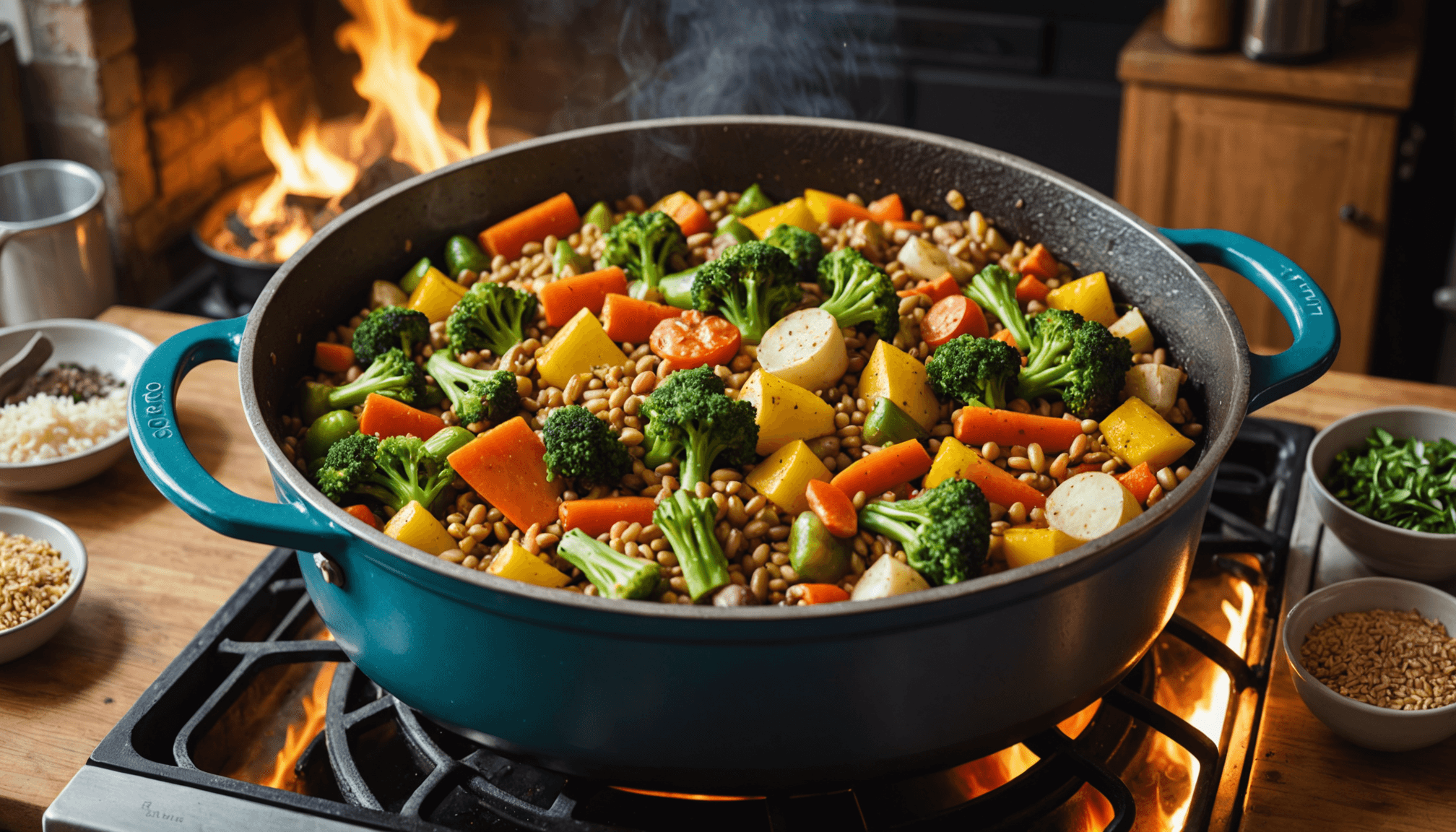
“The kitchen is a place of joy, creativity, and nourishment.” – Unknown
To perfect your one-pot cooking skills, consider following these steps:
- Choose the Right Pot: A heavy-bottomed pot, such as a Dutch oven or a deep skillet, distributes heat evenly and prevents burning. Ensure it has a tight-fitting lid to retain moisture during cooking.
- Layer Wisely: Start with aromatics like onions, garlic, and spices at the bottom. This foundation builds flavor, as the cooking process allows the ingredients to infuse into each other. Follow with proteins, grains, and vegetables based on their cooking times, ensuring everything finishes simultaneously.
- Mind the Liquid: Be careful with the amount of liquid you add. Each grain has a specific water-to-grain ratio. For instance, rice typically requires a 2:1 ratio, while quinoa needs 1.5:1. Always check if your recipe provides these specifics to avoid watery or undercooked meals.
- Respect Cooking Times: Add ingredients according to their cooking duration. For example, heartier vegetables like carrots and potatoes take longer to cook, so they should go in early. On the other hand, delicate greens like spinach should be added towards the end to keep their vibrant color and nutrients.
- Simmer, Don’t Boil: Once you’ve added all your ingredients, bring your dish to a gentle boil and then reduce it to a simmer. This method allows flavors to meld together without overcooking anything.
- Season Gradually: Add salt and spices throughout the cooking process instead of all at once. This enables each layer of flavor to penetrate your ingredients. Taste as you go, adjusting to your palate.
- Stir Occasionally: While it’s tempting to leave your pot unattended, stir occasionally to ensure even cooking and prevent sticking. Just be cautious not to over-stir, especially with grains, as they can become mushy.
- Experiment with Flavors: Don’t hesitate to add herbs and spices throughtout the cooking process. Starting with dried herbs adds depth, while fresh herbs tossed in at the end brighten up the dish.
- Control the Heat: Pay attention to the heat levels. Start high to create a boil, then decrease to a low simmer. A stable low heat allows for gentle cooking, enhancing flavors without burning ingredients.
- Rest Before Serving: Allow your one-pot meal to rest for a few minutes off the heat before serving. This time lets flavors deepen and ensures that the texture is just right.
By following these tips, you’ll transform the cooking process into an effortlessly satisfying experience, producing delightful one-pot meals that suit any schedule. Embrace the joy of hassle-free cooking and enjoy the delicious results!
Cleaning and maintaining your cookware
Keeping your cookware in excellent condition is essential not just for longevity but also for ensuring that your one-pot meals turn out perfectly every time. The right maintenance practices can preserve the integrity of your pots and pans, allowing for even cooking and preventing sticking, which can affect the enjoyment of your dishes.
First, it is crucial to familiarize yourself with the specific materials of your cookware. Stainless steel, cast iron, non-stick, and copper have different cleaning and maintenance needs. For example, cast iron requires seasoning to maintain its non-stick properties, while stainless steel can often be cleaned using the heat and a gentle scrub to release stuck-on food. Always follow manufacturer guidelines to avoid damaging your pots and pans.
When it comes to cleaning, it’s best to tackle your cookware shortly after use. Soaking the pots in warm, soapy water can help loosen food particles, making the cleanup process a breeze. For stubborn stains or burnt-on food, a mixture of baking soda and vinegar can work wonders. Simply apply it to the affected area, let it sit for a short period, and then scrub gently with a soft sponge.
Avoid abrasive cleansers and steel wool, especially on non-stick surfaces, as these can scratch and ruin the coating. Instead, opt for non-abrasive cleaners that are designed for the specific type of cookware you’re using. Rinse thoroughly after cleaning to avoid any leftover soap residue, which can affect the taste of future meals.
To ensure longevity, store your cookware appropriately. Stacking pots can cause scratches and damage; instead, consider using pot protectors or even a dish towel between pieces to keep surfaces intact. Proper storage also includes keeping lids separate from their respective pots when possible, which can help maintain their shape and function.
Finally, consider how often you use your cookware. Regular use helps maintain its condition and reinforces your cooking habits. If you have one-pot meals you particularly enjoy making, ensure your favorite pot is always in good shape, so it’s ready to whip up those quick and easy dinner ideas whenever you need them.
- How do I clean non-stick cookware?
- To clean non-stick cookware, use warm, soapy water and a soft sponge. Avoid abrasive cleaners and scrubbers as they can scratch the surface.
- Can I put my cookware in the dishwasher?
- It depends on the material. Many modern pots and pans are dishwasher safe, but cast iron and some non-stick items should be hand washed to maintain their finish.
- How can I remove burnt food from my pots?
- For burnt food, soak the pot in warm, soapy water. You can also use a paste of baking soda and water to loosen burnt bits or boil water with some vinegar to help lift stains.
- What is the best way to store my cookware?
- Store your cookware in a way that prevents scratching, such as using pot protectors or placing a dish towel between stacked pots and pans.
- How often should I replace my non-stick pans?
- Replace non-stick pans when you notice significant scratching or peeling, as this can affect cooking performance and may lead to harmful chemicals leaching into food.
- Can I use metal utensils on non-stick cookware?
- It’s best to avoid metal utensils on non-stick surfaces as they can scratch and damage the coating. Use silicone, wood, or plastic utensils instead.
- How do I maintain my cast iron cookware?
- Maintain cast iron by seasoning it regularly with a thin layer of oil and avoiding soaking it in water. Always dry it thoroughly after washing.
How can you get your very own personalized session and free nutrition consult? Call today at Call Dan Hendrix: +1 334-300-0389.
Find out how important a balanced body chemistry truly is. Get on the right track to improved health today!

Leave a Reply