
How can you get your very own personalized session and free nutrition consult? Call today at Call Dan Hendrix: +1 334-300-0389.
Find out how important a balanced body chemistry truly is. Get on the right track to improved health today!
- Simple curry recipes for busy weeknights
- Ingredients for quick curry dishes
- Step-by-step cooking methods
- Tips for customizing your curry
- Serving suggestions and pairing ideas
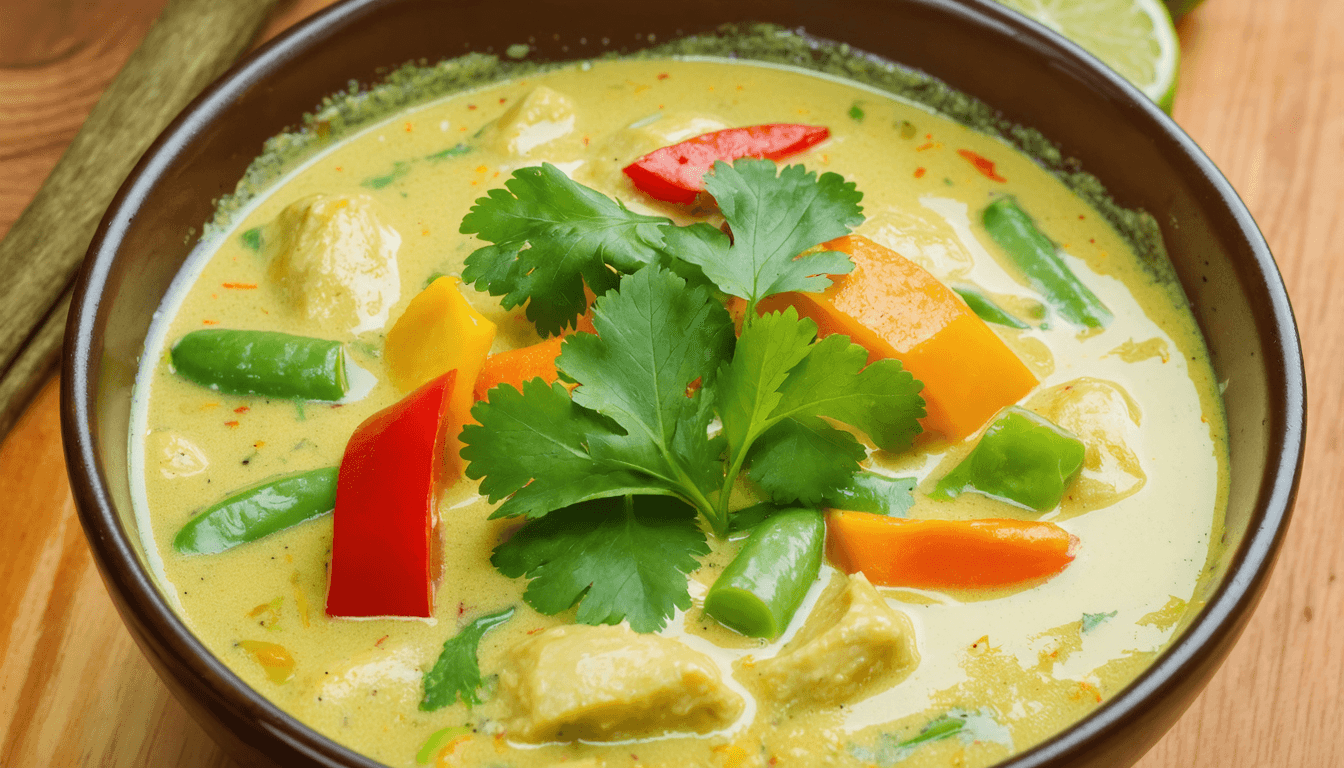
After a long day, the last thing you want is to be stuck in the kitchen for hours, chopping, stirring, and, let’s face it, feeling overwhelmed. That’s why I’m here to share some simple and delightful curry recipes perfect for those busy weeknights when you need something tasty, quick, and satisfying. So, pull up a chair, grab your apron, and let’s dive into some easy dinner ideas that will have your taste buds dancing!
Let’s kick things off with the classic chickpea curry. It’s not only packed with protein but also incredibly fulfilling. Start by heating a tablespoon of oil in a pan. Toss in a diced onion, let it sizzle until golden, and then add in minced garlic and ginger—your kitchen will start smelling like heaven! Next, stir in a can of chickpeas, a can of diced tomatoes, and a tablespoon of curry powder. Simmer away for about 10 minutes, letting the flavors marry, and finish with a splash of coconut milk for that creamy texture. Serve it over rice or with some warm naan, and there you have it—a gloriously easy curry ready in under half an hour!
If you’re in the mood for something with a bit of flair, try the chicken tikka masala. It’s a crowd-pleaser and shockingly easy to whip up. Simply marinate chicken pieces in yogurt mixed with spices for at least 15 minutes—if you’ve got time, let it sit longer. Heat some oil and toss in diced onions, cooking them until they’re soft and translucent. Add your marinated chicken and let it cook through before pouring in your favorite tikka masala sauce. Let this simmer for about 20 minutes; trust me, the aromas will draw everyone to the kitchen. Pair with basmati rice or a simple salad, and you’ve transformed chicken into an exotic feast!
Now, for the vegetarians out there, a stunning paneer butter masala will do the trick. This rich, creamy curry is just a few ingredients away. Sauté a mix of onions, ginger, and garlic in butter until fragrant. Add chopped tomatoes and a mix of spices: cumin, coriander, and garam masala. Toss in diced paneer, let it absorb all those flavorful juices, and finish with a splash of cream for that rich finish. Serve it with roti or steamed rice, and you’ve got a dish that will impress the pickiest eaters!
Remember, the beauty of these simple curry recipes is their adaptability. Whether you’ve got leftover veggies, a random protein, or even just canned goods lying around, you can throw together a delightful curry in no time. So don’t stress over dinner, embrace the art of quick cooking—your busy weeknights just got a serious upgrade!
Ingredients for quick curry dishes
For quick curry dishes, having the right ingredients on hand is essential to streamline your cooking process. Focus on basic staples that can easily be combined to create a variety of scrumptious curries. Here’s a list of must-have ingredients that work well in many easy curry recipes.
Proteins: Start with versatile, quick-cooking proteins such as chicken, shrimp, or tofu. Chicken thighs or tenders are great since they remain tender and flavorful, cooking quickly in a pan. Shrimp cooks in mere minutes, making it perfect for those last-minute dinners. For a plant-based option, firm tofu can be cubed and sautéed to absorb the rich flavors of your curry.
Vegetables: Utilize fresh, frozen, or canned vegetables to save time. Common choices include spinach, bell peppers, carrots, and cauliflower—all of which cook relatively quickly. Frozen options are excellent as they often require no prep work at all and can be tossed directly into the pan. Canned chickpeas or lentils are also fantastic for adding protein and texture without additional cooking time.
Curry Base: Stock your pantry with curry pastes or powder such as red curry paste, green curry paste, or a good-quality curry powder. These products offer intense flavors and can be easily adjusted to taste, making them invaluable for crafting quick, tasty curries. They provide a depth of flavor that can transform any dish, eliminating the need for a multitude of spices.
Coconut milk or yogurt: This ingredient is crucial for creating a creamy texture and balancing the spices. Coconut milk lends a hint of sweetness and richness to curries, while yogurt can add tanginess and a creamy consistency. You can opt for full-fat coconut milk for a richer dish, or light coconut milk if you prefer something a bit healthier.
Aromatics: Keep onions, garlic, and ginger stocked as they form the flavor foundation of most curries. When sautéed, they create a fragrance that sets the stage for a delightful dish. Fresh cilantro can also be a great aromatic and is ideal for garnishing, adding freshness and brightness to the final product.
Acid: Lastly, don’t forget to include a source of acidity, such as lime juice or vinegar, to brighten up the dish. A splash at the end of cooking can elevate your curry and enhance all the flavors present.
By incorporating these ingredients, you’ll be well-equipped to whip up a variety of quick curries that cater to both your cravings and your busy schedule. With these staples in hand, you can experiment with different combinations and flavors, creating delicious meals that come together in no time. Embrace the world of curry with these easy dinner ideas, allowing your creativity to shine as you explore diverse flavor profiles and satisfying dishes.
Step-by-step cooking methods
Cooking curries can be both simple and gratifying, especially when you break it down into easy steps. Let’s walk through a straightforward method that will have you crafting delicious curries without the fuss. Whether you’re a novice in the kitchen or a busy person looking for efficient meal solutions, these methods will suit your needs perfectly.
First things first: always prep your ingredients before you start cooking. This way, everything is ready to go when you’re in the zone. Chop your onions, measure your spices, and have your proteins and vegetables prepped. This not only speeds up the cooking process but also makes it less stressful.
Now, let’s dive into the cooking method. Heat a generous amount of oil in your pan over medium heat. Olive oil or coconut oil works great here. Once your oil is shimmering, it’s time to add your aromatics. Start with onions, and sauté them until they get translucent and aromatic. Following that, add minced garlic and ginger; they should be sautéed until fragrant—be careful not to let them burn, as they can turn bitter.
Next, it’s time to incorporate your proteins. If you’re using chicken, shrimp, or tofu, now is the moment to add them to the pan. Stir-fry until they’re cooked through and lightly browned, which adds that lovely flavor and texture. For vegetarians or for a light dinner, this is the point where you might add in your vegetables. Stir-fry them for a few minutes until they soften slightly but still maintain some crunch.
Now here’s where the magic happens: sprinkle in your curry powders or pastes. Depending on your preference, you might use a pre-made mix or your own blend. Stir well to coat everything, allowing the spices to toast and release their natural aromas—a quick minute should do. Following this, pour in your coconut milk or a dollop of yogurt. Mixing it up at this stage creates a creamy sauce that envelops all your ingredients in flavor.
Once it’s all mixed, bring it to a gentle simmer. Let it bubble for about 10-15 minutes, which helps the flavors meld beautifully. During this time, feel free to taste and adjust your seasoning. A pinch of salt or a splash of vinegar can make all the difference in balancing the flavors!
Another great tip for a perfect curry is to involve fresh herbs. Adding cilantro or mint at the end brings a fresh burst and makes your dish visually appealing. Finally, give your curry a squeeze of lime juice for that zesty kick right before serving—trust me, it brightens everything!
Once your curry is ready, the last step is to consider how you want to serve it. Pour it over fluffy rice, scoop it with warm naan, or maybe even pair it with a light salad for some crunch. The aroma in your kitchen will have everyone eagerly anticipating a comforting and satisfying meal.
Embrace these easy cooking methods, and you’ll find that making curry at home can be fun, creative, and incredibly rewarding. With just a few simple steps, you can whip up easy dinner ideas that will not only impress your family but will also bring warmth and flavor to your busy evenings!
Tips for customizing your curry
When it comes to customizing your curry, the options are virtually endless, allowing you to make each dish uniquely yours. Here are some tips and tricks to help you adjust flavors, textures, and ingredients to suit your preferences and dietary needs.
- Experiment with Spices: Don’t hesitate to tweak the spice levels to match your taste. If you prefer a milder curry, reduce the amount of curry powder or paste. For heat lovers, add more cayenne pepper, chili powder, or fresh chilies. You can also try incorporating spices like turmeric, paprika, or cumin to give your curry a unique flavor profile.
- Add Fresh Herbs: Fresh herbs can elevate your curry’s flavor dramatically. While cilantro is a classic choice, consider adding mint or basil for a different twist. Chop your herbs and add them at the end of cooking for a burst of freshness, or use them as a garnish to enhance presentation.
- Incorporate Different Vegetables: A curry is a fantastic way to use up leftover vegetables. Feel free to throw in anything from bell peppers and zucchini to sweet potatoes or green beans. Just be mindful of cooking times; harder vegetables may need a bit longer to cook than softer ones.
- Substitute Proteins: If you’re not a fan of a particular protein, or if you have dietary restrictions, switch it out for something that works for you. For instance, replace chicken with chickpeas for a vegetarian option, or use lentils for added fiber and protein. Don’t be afraid to mix different proteins together as well!
- Change Up the Base: While coconut milk is a popular choice for creamy curries, experimenting with other bases can yield delightful results. Try using almond milk, cashew cream, or even a broth-based curry if you want something lighter. Yogurt can also be a great addition to create a tangy taste while adding creaminess.
- Adjust Sweetness and Acidity: The balance of flavors is crucial in curry. If your curry tastes too spicy, adding a bit of sugar or honey can help mellow it out. On the other hand, a splash of vinegar or lime juice can add needed brightness and enhance the overall flavor. Taste frequently and adjust as necessary!
- Make It Heartier: If you want to turn a simple curry into a more filling meal, consider adding grains like quinoa, rice, or couscous. These can absorb the delicious sauce and make the dish more satisfying. Alternatively, including nuts such as cashews or almonds also adds a nice crunch and richness.
“Cooking is an art, but all art requires knowing something about the techniques and materials.” – Nathan Myhrvold
By adapting your curry recipes to reflect your personal tastes and available ingredients, you can consistently create easy dinner ideas that never feel stale. So get creative in the kitchen, and remember that curry is highly forgiving—your unique spin may just become a new favorite dish!
Serving suggestions and pairing ideas
To elevate your meal, consider pairing your curry with simple yet flavorful sides that complement its rich taste. For instance, fluffy basmati rice is a classic choice, perfect for soaking up the aromatic sauce. You can infuse the rice with spices like cardamom or bay leaves while cooking to enhance its flavor, creating an exquisite harmony between the rice and curry.
If you’re looking for something a bit more indulgent, warm naan bread is an excellent option. Its soft, pillowy texture provides a delightful contrast to the curry, making it easy to scoop up those saucy bites. You can even make your naan more exciting by brushing it with garlic butter or sprinkling it with herbs before serving.
For a lighter option, consider a refreshing salad. A simple cucumber and tomato salad tossed with lemon juice and fresh herbs can brighten the meal and provide a cool counterpoint to the spiciness of the curry. Additionally, you might add some yogurt-based raita, which can add a creamy, cooling element to the dish, balancing out the heat.
Don’t overlook the potential of roasted or sautéed vegetables on the side. Vegetables like zucchini, bell peppers, and asparagus can enhance your meal’s color and nutrition, adding layers of flavor that pair beautifully with most curry dishes. Feel free to roast them with a sprinkle of cumin or coriander to tie everything together.
Lastly, if you’re adventurous, consider offering some chutneys or pickles on the side. A mango chutney or tangy lime pickle can add exciting flavors and textures to your dinner, allowing your guests to customize their dishes. Each bite can become a new experience, keeping the dinner dynamic and engaging.
With these serving suggestions and pairing ideas, your curry nights can transcend the ordinary, transforming every meal into a memorable experience. It’s time to explore the myriad of combinations and find what resonates with your palate!
- What are some quick proteins to use in curry?
- Quick-cooking proteins like shrimp, chicken thighs, or firm tofu are ideal for curry dishes. They cook quickly and absorb the flavors of the spices beautifully.
- Can I make curry vegetarian?
- Absolutely! You can easily make a variety of vegetarian curries using chickpeas, lentils, or vegetables like cauliflower and spinach. These options provide excellent flavor and nutrition.
- How can I make my curry less spicy?
- To reduce the heat, you can decrease the amount of curry paste or powder used. Adding a sweet element like sugar or coconut milk can also help balance out the spice levels.
- What types of rice work best with curry?
- Basmati rice is a traditional pairing that works well due to its fluffy texture and ability to absorb flavors. Jasmine rice is another aromatic option that complements spicy dishes nicely.
- Is it possible to make curry in advance?
- Yes, curry is often tastier the next day as the flavors continue to meld. Just store it in the fridge and reheat when you’re ready to enjoy it again.
- What can I serve with curry besides rice?
- Besides rice, naan bread, roti, or even quinoa can pair beautifully with curry. Light salads and roasted vegetables can also enhance the meal.
- How do I thicken my curry?
- You can thicken your curry by simmering it uncovered to reduce the liquid or adding a thickening agent like yogurt or a cornstarch slurry. Adding mashed potatoes or pureed lentils can also help create a thicker consistency.
How can you get your very own personalized session and free nutrition consult? Call today at Call Dan Hendrix: +1 334-300-0389.
Find out how important a balanced body chemistry truly is. Get on the right track to improved health today!

Leave a Reply