
How can you get your very own personalized session and free nutrition consult? Call today at Call Dan Hendrix: +1 334-300-0389.
Find out how important a balanced body chemistry truly is. Get on the right track to improved health today!
- Benefits of a Colorful Veggie Stir-Fry
- Essential Ingredients for Your Stir-Fry
- Step-by-Step Cooking Instructions
- Tips for Perfectly Cooked Vegetables
- Creative Variations to Try
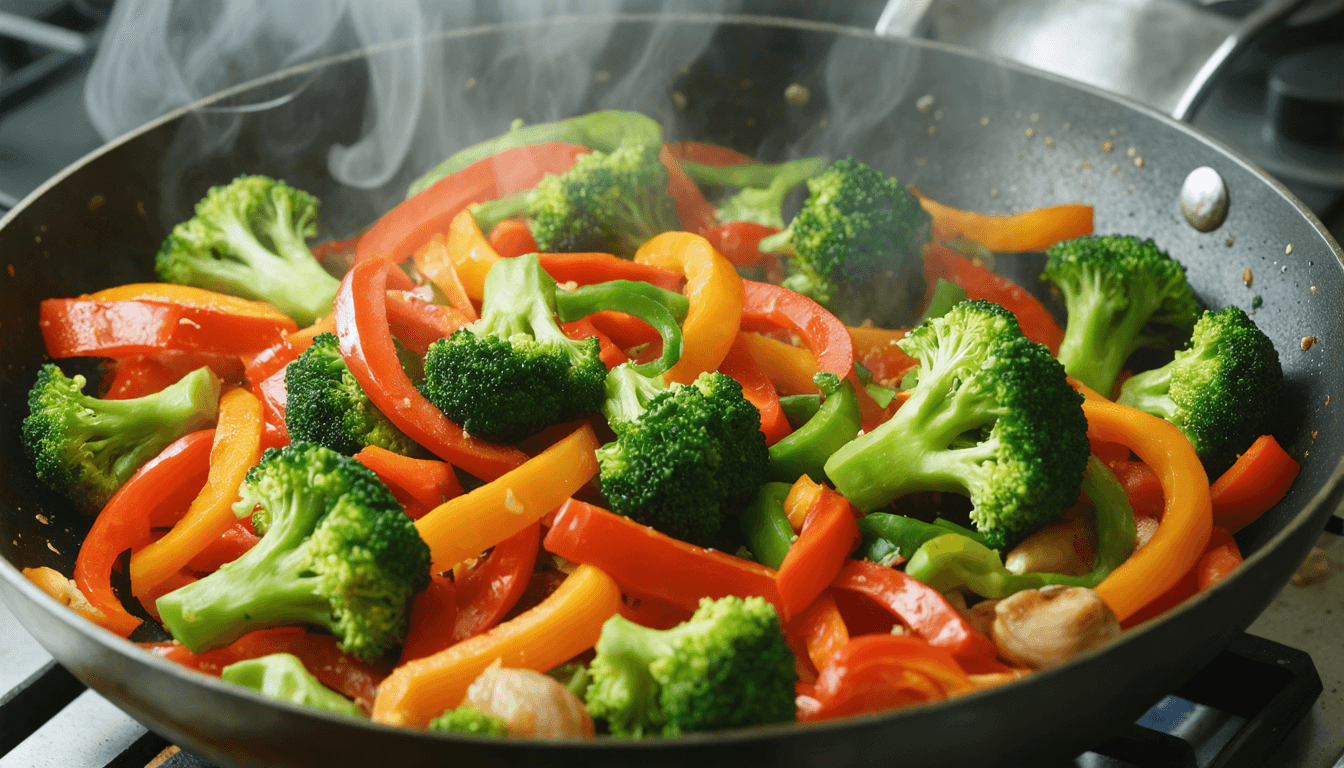
When you whip up a colorful veggie stir-fry, you’re not just creating an easy dinner; you’re also packing in a heap of nutrition and benefits that can transform your meal routine. First off, let’s talk about the sheer variety of nutrients you can get from using different vegetables. Each color in your stir-fry usually corresponds to distinct vitamins and minerals. For instance, leafy greens like kale and spinach are loaded with iron, while bright bell peppers pack a punch with vitamin C. This makes your dinner not just tasty but also a powerhouse of health benefits!
Another advantage of a veggie stir-fry is how adaptable it is for busy lifestyles. Whether you’re a college student juggling classes or a professional coming home after a long day, you can slice and dice your veggies quickly, toss them in a hot pan, and have a delicious meal ready in under 30 minutes. This grabs the win for all those who are constantly looking for easy dinner ideas without sacrificing their health.
Plus, stir-frying is a cooking method that keeps the nutrients intact. The quick cooking time over high heat allows vegetables to retain their crunch and vibrant colors while ensuring that they don’t lose their nutritional value, particularly water-soluble vitamins like B and C. So, you’re not just serving a plate that looks good; you’re also serving up health!
And let’s not forget about the versatility. A veggie stir-fry lets you clear out the fridge or use whatever is in season, making it a fantastic way to minimize waste and save money. You can mix and match ingredients, switch those veggies you’re not in the mood for, and explore different flavors easily, keeping your meals interesting. Want it spicy? Toss in some chili flakes! Craving a touch of sweetness? Add some pineapple or a drizzle of teriyaki sauce. Each combination can create healthy meals tailored to your tastes in no time.
These benefits are what make a veggie stir-fry not just an option, but a go-to for health-conscious families and individuals who want quick, flavorful meals that contribute positively to their diet. So, gather those vibrant veggies and let’s get ready to stir-fry your way to a colorful plate full of health!
Essential Ingredients for Your Stir-Fry
When planning your colorful veggie stir-fry, having a well-stocked arsenal of essential ingredients ensures that your meal is both delicious and nutritious. Here’s a breakdown of what to include to make your stir-fry truly shine:
– Vegetables:
– Leafy Greens: Spinach, kale, and bok choy add not only nutrition but also vibrant colors and a satisfying texture.
– Cruciferous Vegetables: Broccoli and cauliflower provide a hearty crunch and are rich in fiber and antioxidants.
– Bell Peppers: Use a variety of colors—red, yellow, orange, and green—for a splash of color and a boost of vitamin C.
– Carrots: Their natural sweetness and crispness enhance the overall flavor profile of the stir-fry.
– Zucchini: This vegetable cooks quickly and contributes moisture to the dish with minimal calories, making it perfect for healthy meals.
– Proteins:
– Tofu: A versatile protein source that absorbs flavors well and can be sautéed or grilled to add a chewy texture.
– Tempeh: Rich in protein and probiotics, tempeh is a great plant-based alternative that adds depth to your stir-fry.
– Chicken or Beef: If you prefer animal proteins, thinly sliced chicken breast or lean beef are classic choices that cook quickly.
– Flavor Enhancers:
– Garlic and Ginger: These aromatics should be staples in your pantry; they provide a robust base for flavor and health benefits.
– Soy Sauce or Tamari: Adds a savory umami flavor and can be adjusted for sodium levels to suit your dietary needs.
– Sesame Oil: A drizzle of toasted sesame oil adds a nutty flavor and aromatic finish to your stir-fry.
– Carbohydrates (optional):
– Rice or Quinoa: Serve your stir-fry over a bed of cooked rice or quinoa to round out the meal and provide additional filling fiber.
– Noodles: For a different twist, consider using rice noodles or soba noodles as a base for your stir-fry.
– Garnishes:
– Sesame Seeds: Sprinkling toasted sesame seeds on top provides a pleasant crunch and additional nutrition.
– Green Onions: Chopped green onions add a fresh bite and visual appeal to your dish.
By ensuring you have these essential ingredients ready, you set the stage for crafting an easy dinner idea that is not only flavorful but also nourishing. Each ingredient plays a vital role in creating a colorful plate that excites the palate and contributes to healthy meals. Explore the balance of textures and flavors, and customize your stir-fry to fit your taste preferences and dietary requirements.
Step-by-Step Cooking Instructions
- Start by prepping your ingredients. Wash all your veggies thoroughly and chop them into bite-sized pieces. If you’re using proteins like chicken or tofu, cut those into small, uniform pieces as well. This will ensure even cooking and make it easier to enjoy your meal. I usually find that having everything prepped and ready to go makes the cooking process feel smoother and more enjoyable.
- Next, heat a large wok or non-stick skillet over medium-high heat. When the pan is hot, add a tablespoon of oil—avocado, canola, or sesame oil work wonderfully here. You want enough oil to coat the bottom but not so much that your stir-fry becomes greasy. If you’re feeling adventurous, you can throw in a dash of ginger or garlic at this stage to get those oh-so-amazing aromas circulating!
- Once the oil shimmers, add your proteins first if you’re using them. Let them sear for a few minutes undisturbed until they’re golden and cooked through. If you’re using tofu or tempeh, allow them to get a little crispy on the outside; it adds a lovely texture that contrasts beautifully with the veggies.
- When the proteins are perfectly cooked, it’s time to add the veggies. Start with the denser ones first, like carrots and broccoli, as they take longer to cook. Stir-fry them for about 3-4 minutes, just until they start to soften. Keep your moving—this is where the magic happens! The secret to a good veggie stir-fry is all in that constant motion.
- As the dense veggies soften up, add in the quicker-cooking veggies like bell peppers and zucchini. You want those to maintain a bit of their crunch for texture. Stir-fry everything together for another 3-5 minutes, letting those colors dance in the pan.
- Once the veggies are tender-crisp, it’s time to introduce your flavor enhancers. Drizzle in your soy sauce or tamari, and toss everything well to combine. The sauce will glide over the veggies and proteins, infusing them with a rich umami flavor that makes your taste buds sing! If you want an extra zing, throw in a splash of rice vinegar or a bit of sriracha for heat. You can also sprinkle some sesame seeds at this stage if you like.
- As the sauce simmers and creates a delicious glaze, make sure everything is heated through. This should only take another minute or so. Taste your stir-fry and adjust the seasoning if needed—sometimes it just needs a touch more soy sauce or a hint of salt.
- Serve your veggie stir-fry over prepared rice, quinoa, or noodles. Don’t forget those gorgeous garnishes! A sprinkle of chopped green onions or a few more sesame seeds will not only elevate the presentation but also add delightful flavor. Your quick and colorful meal is now complete, and it’s sure to be a hit with your family or roommates—all within 30 minutes!
Tips for Perfectly Cooked Vegetables
“Cooking is at once child’s play and adult joy. And cooking done with care is an act of love.” – Craig Claiborne
To achieve perfectly cooked vegetables in your stir-fry, follow these handy tips that will help you master the technique, ensuring each bite is crisp, colorful, and full of flavor:
- Choose the Right Vegetables: Opt for a variety of vegetables that cook at roughly the same rate. For a colorful plate, mix dense veggies like carrots and broccoli with quicker-cooking options like bell peppers and zucchini. This allows for a harmonious cook without overcooking or burning any of the ingredients.
- Cut Consistently: Spend a few extra minutes cutting your vegetables into roughly similar sizes. Uniform pieces will cook evenly, ensuring that no piece is left raw while others turn mushy. Aim for thin slices or small bite-sized chunks for quick cooking.
- Preheat the Pan: Always start with a hot wok or skillet. Preheating ensures the vegetables sear rather than steam. When the pan is hot enough, a drop of water should sizzle and evaporate almost instantly.
- Oil Wisely: Use the right amount of oil to coat the bottom of your pan—about one tablespoon should do. Too little can cause sticking, while too much can lead to a greasy stir-fry. For added flavor, consider using flavored oils, like chili oil or garlic-infused oil.
- Stir Regularly: Keep the vegetables moving in the pan. This not only prevents burning but also promotes even cooking. Use a spatula to flip and toss instead of stirring with a spoon to maintain the integrity of your veggies.
- Cook in Batches: If you’re making a large stir-fry, consider cooking in batches. Overcrowding the pan can lead to uneven cooking and steamed rather than stir-fried veggies. Cooking in smaller portions allows for crispier results.
- Add Veggies in Stages: Start with the vegetables that take longer to cook, like carrots and broccoli. After a few minutes, add in quicker-cooking options like zucchini and bell peppers. This staggered approach ensures everything is perfectly tender without losing that essential crunch.
- Finish with High Heat: Near the end of cooking, turn the heat to high. This gives the final touch of char and enhances the flavors. When you add your sauce, briefly allow it to come to a bubble before serving.
- Taste and Adjust: Before serving, taste your stir-fry. Adjust seasoning as needed. A sprinkle of salt or an extra dash of soy sauce can accentuate the flavors significantly. Remember, the goal is to highlight each vegetable’s unique taste.
By implementing these strategies, you can ensure your veggie stir-fry remains vibrant, nutritious, and full of crispy vegetables—a true reflection of your culinary skills! This method not only enhances the quality of your meals but also brings an enjoyable experience to meal prep, making it a go-to for easy dinner ideas that your family will love.
Creative Variations to Try
There are countless inventive twists to a classic veggie stir-fry that can surprise your taste buds and introduce new flavors to your meal routine. Consider adding different textures and flavors by including nuts like cashews or almonds for a delightful crunch. They not only enhance the dish’s visual appeal but also provide healthy fats and protein.
Another variation to try is to incorporate seasonal vegetables. For instance, if zucchini is in season, experiment with spiralizing it into noodles or ribbons that can serve as a base for your stir-fry. This creative approach not only makes the dish unique but also allows you to celebrate fresh, flavor-packed produce in every bite.
For an international flair, embrace global cuisines by infusing your stir-fry with diverse spices and sauces. Think Thai by adding coconut milk and curry paste, or go for a Mexican twist with black beans, corn, and taco seasoning. Each cultural spin on your veggie stir-fry presents an opportunity to explore the globe from your kitchen while enjoying healthy meals that are rich in nutrients.
You might also want to experiment with different cooking methods. Instead of a classic stir-fry, try roasting your vegetables for a smoky flavor or grilling them for added depth, particularly if you’re cooking outdoors. This variation can enhance the overall taste experience and make the meal feel more special, allowing your creativity to shine.
Moreover, don’t hesitate to play with flavors by introducing fruits like pineapple, mango, or even citrus slices. They can bring a refreshing sweetness that contrasts beautifully with the savory elements, resulting in a dish that feels vibrant and satisfies various cravings.
These creative variations encourage you to look beyond the standard stir-fry and challenge you to innovate in the kitchen. So, grab those veggies, let your imagination run wild, and discover how diverse and exciting healthy cooking can be!
- What vegetables work best for a veggie stir-fry?
- Best options include bell peppers, broccoli, carrots, snap peas, and leafy greens such as kale or spinach. The key is to choose a mix of colorful vegetables that offer both texture and flavor.
- Can I prepare a veggie stir-fry in advance?
- Yes, you can chop your vegetables and marinate your proteins ahead of time. Store them in airtight containers in the fridge for up to a day, but it’s best to stir-fry just before serving for optimal freshness and texture.
- Is a stir-fry a healthy meal option?
- Absolutely! A veggie stir-fry is packed with nutrients from a range of vegetables and can be made even healthier by choosing lean proteins and limiting oil use. It’s a great way to include essential vitamins and minerals in your diet.
- How can I make my stir-fry saucier?
- Add a combination of sauces like soy sauce, hoisin, or teriyaki during the cooking process. For extra thickness, mix a bit of cornstarch with water and add it towards the end to achieve a glossy finish.
- Can I use frozen vegetables for a stir-fry?
- Yes, frozen vegetables work well for stir-frying as they are flash-frozen at peak freshness. Make sure to avoid thawing them before adding them to the pan to prevent excess water from diluting your dish.
- What can I serve with my veggie stir-fry?
- Common accompaniments include rice, quinoa, or noodles, which complement the stir-fry and offer a filling component. Consider garnishing with sesame seeds or green onions for added flavor and nutrition.
- How can I make my stir-fry spicier?
- Add fresh chilies, chili flakes, or sriracha sauce during cooking to elevate the spice levels. Adjust according to your preference but start small, as it’s easier to add more heat than to tone it down.
How can you get your very own personalized session and free nutrition consult? Call today at Call Dan Hendrix: +1 334-300-0389.
Find out how important a balanced body chemistry truly is. Get on the right track to improved health today!

Leave a Reply