
How can you get your very own personalized session and free nutrition consult? Call today at Call Dan Hendrix: +1 334-300-0389.
Find out how important a balanced body chemistry truly is. Get on the right track to improved health today!
- Nutritious ingredients for buddha bowls
- Base options for your bowl
- Flavorful toppings to enhance your meal
- Dressing ideas to elevate taste
- Tips for meal prepping buddha bowls
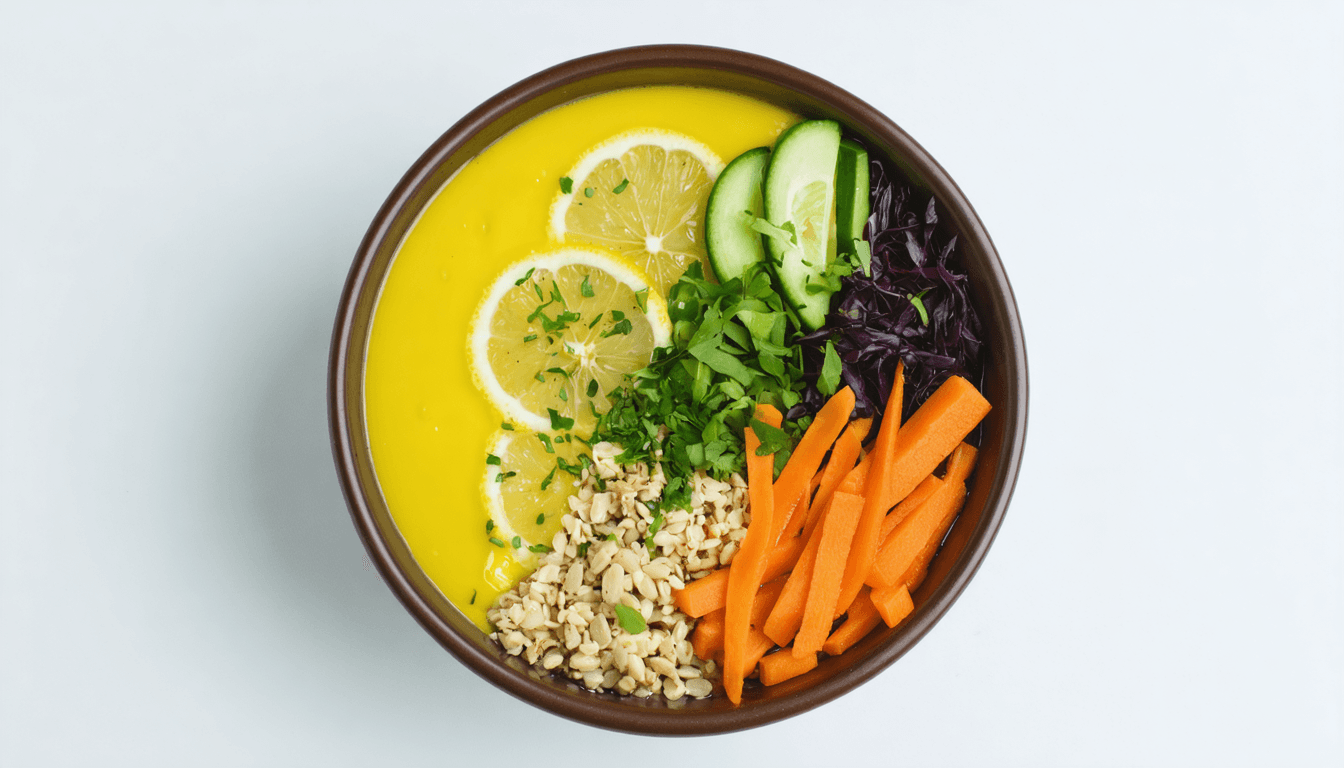
When you’re whipping up a buddha bowl, the star of the show lies in the ingredients you choose. This section is where your creativity can really shine. Think of your bowl as a canvas—each ingredient is a color that adds to the masterpiece of your meal. So, let’s chat about those nutritious ingredients that make your bowls not just look good, but also nourish your body and satisfy your taste buds.
First up, we have the mighty grains. Quinoa has become the go-to for many health enthusiasts, and for a good reason! Packed with protein and fiber, it’s a gluten-free powerhouse. If you’re looking for something a little more traditional, you can’t go wrong with brown rice or farro, which offer a nutty flavor and hearty texture. For those extra busy days or if you’ve got a solid meal prep strategy, making a big batch on Sunday can set you up for the week.
Don’t forget about vegetables! Fresh, roasted, or steamed, they bring vibrant colors and essential nutrients to your bowl. Think leafy greens like spinach or kale for that added iron, or root veggies like sweet potatoes and beetroot that are sweet, earthy, and incredibly filling. And let’s not skip the cruciferous crew—broccoli and cauliflower are not only super nutritious but also add that satisfying crunch.
Let’s not overlook protein. Whether you’re a meat-eater, vegetarian, or vegan, there’s a protein option for you. Grilled chicken or beef adds a savory touch, while chickpeas and black beans are perfect for a fulfilling plant-based punch. If you’re feeling adventurous, toss in some baked tofu or tempeh—these friends soak up flavors like a sponge!
And of course, we have to talk about healthy fats, because who doesn’t love a little creaminess? Avocado is the classic choice, bringing not only taste but also a boost of those beloved monounsaturated fats. Nuts and seeds, like almonds or pumpkin seeds, provide a delightful crunch and are packed with vitamins and minerals. Plus, they’ll keep you feeling full longer, making them a smart addition to your nutritious meals.
In this busy world, we often forget that what goes in our bodies matters. But by opting for these nutrient-dense ingredients, you’re not just crafting a meal; you’re creating something that fuels your body and keeps you moving forward. So gather your favorite components and let’s build a buddha bowl that’s uniquely yours!
Base options for your bowl
Choosing the right base for your buddha bowl is essential, as it sets the foundation for your meal and influences both flavor and satisfaction. One of the most popular choices is quinoa. This ancient grain is not only gluten-free but also an excellent source of complete protein, meaning it contains all nine essential amino acids. Its fluffy texture and slightly nutty flavor make it a versatile option that pairs beautifully with a variety of toppings and dressings.
Another fantastic base option is brown rice. While it may take a bit longer to cook than white rice, its nutty flavor and chewy texture elevate any bowl. Brown rice is also rich in fiber, which aids digestion and keeps you feeling fuller for longer. For a twist, consider using black rice, or “forbidden rice,” which offers a delightful pop of color and a wealth of antioxidants.
If you’re looking for something with a bit more substance, farro is a great alternative. This ancient grain boasts a chewy consistency and nutty taste, not to mention a high fiber content that can help regulate blood sugar levels. Combine farro with roasted vegetables or fresh greens for a hearty base that promises to keep you satisfied throughout the evening.
For those who prefer a lighter option, leafy greens can serve as an excellent base. Spinach and arugula provide a peppery zing while being incredibly low in calories, making them perfect for anyone seeking nutritious meals. You might also opt for a blend of baby greens, which offers a variety of flavors and textures.
If you’re feeling adventurous and looking to increase your nutrient intake, consider using spiralized vegetables as a base, such as zucchini noodles or carrots. Not only do they add color and crunch, but they also contribute additional vitamins and minerals while keeping the calorie count low.
When building your buddha bowl, think about mixing and matching bases to keep your meals exciting. For instance, you could layer quinoa at the bottom and top it with a handful of fresh lettuce or herbs for a refreshing crunch. The key is to choose a base that complements the ingredients you plan to use.
With all these base options, you can easily create a variety of easy dinner ideas to suit any palate or dietary need. By mixing different grains and greens, you’ll keep your buddha bowls fresh and interesting, avoiding the monotony that can sometimes come with meal prep. So, gather your favorite base, and let it be the flavorful foundation on which you build your delicious and nourishing buddha bowl!
Flavorful toppings to enhance your meal
When it comes to adding that extra dash of flavor to your buddha bowls, the toppings are where the magic happens. They’re not just for aesthetics; these flavorful additions can take your meal from basic to absolutely delightful. Let’s dive into some easy ways to enhance your creations!
Start thinking about textures and contrasting flavors. You might sprinkle some roasted chickpeas or lentils on top for a satisfying crunch and protein punch. Toss them in your favorite spices before roasting—think paprika, garlic powder, or cayenne pepper—for an added zing. If you prefer something a little softer, consider adding a mix of sautéed mushrooms. Their umami-rich flavor can complement a wide array of ingredients.
Nuts and seeds are also fantastic toppings that not only add crunch but are nutrient-dense as well. Sliced almonds or walnuts provide healthy fats and a delightful texture, while pumpkin seeds add that lovely green hue and a hint of earthiness. You might even try sesame seeds or sunflower seeds for a touch of nutty flavor, making your bowl more wholesome.
Don’t underestimate the power of fresh herbs; they can elevate your buddha bowl in ways you might not expect. Chopped cilantro, parsley, or a sprinkle of chives can brighten up the entire dish. Green onions are another great option, delivering a mild oniony flavor that works wonders when mixed with grains and vegetables. Don’t hesitate to go wild with the herbs; they’re an easy way to make your nutritious meals feel fresh and vibrant.
If you’re looking for a bit of indulgence, why not add some cheese? Feta, goat cheese, or even parmesan can add creaminess and a salty kick to your bowl. For dairy-free options, try nutritional yeast, which has a cheesy flavor and boosts B vitamins—a sure winner for everyone.
And let’s not forget about the delightful sweetness that can come from fruits! When in season, pomegranate seeds, sliced strawberries, or citrus segments can be refreshing additions that balance out savory ingredients. A little sweetness can transform your buddha bowl into an irresistible dish.
A fun idea is to also incorporate some pickled elements. Pickled onions, for example, can add a tangy crunch that cuts through rich flavors and adds a beautiful color contrast. The acidity from pickling brightens the overall profile of your meal, giving it depth and dimension.
In just a few minutes of preparation, these toppings can weave together into an impressive display of flavors and textures, making your bowls not just nourishing but also exciting. Experimenting with different toppings means that no two buddha bowls have to be the same, which will keep your easy dinner ideas dynamic each week. So go on, get creative, and let those flavorful toppings bring your nutritious meals to life!
Dressing ideas to elevate taste
To elevate the taste of your buddha bowls, the dressing is a crucial component that ties all the elements together. A well-crafted dressing can enhance the flavors of your ingredients, adding depth and providing that crucial balance of tastes. Here’s a collection of dressing ideas that are simple to prepare and incredibly rewarding in flavor.
- Tahini Lemon Dressing
- In a bowl, combine ¼ cup tahini with the juice of 1 lemon.
- Whisk in 2 tablespoons of water until smooth and creamy.
- Add a pinch of salt and a drizzle of maple syrup for sweetness.
- Mix in minced garlic (1 clove) for an added flavor kick. Adjust the thickness of the dressing by adding more water as necessary.
- Classic Balsamic Vinaigrette
- In a small bowl, whisk together ¼ cup balsamic vinegar and ½ cup olive oil.
- Add 1 teaspoon of Dijon mustard and salt and pepper to taste.
- Mix well until the ingredients are fully incorporated. Optional: add a teaspoon of honey or maple syrup for a touch of sweetness.
- Creamy Avocado Dressing
- In a blender, combine 1 ripe avocado, ½ cup Greek yogurt (or a vegan alternative), the juice of 1 lime, and a sprinkle of salt.
- Blend until smooth.
- If too thick, add water a tablespoon at a time to reach your desired consistency.
- Spicy Peanut Sauce
- In a mixing bowl, whisk together ¼ cup peanut butter, 2 tablespoons soy sauce, 1 tablespoon sesame oil, and 1 tablespoon honey.
- Slowly mix in 2-3 tablespoons of warm water to thin it out. Adjust to taste.
- Add sriracha or chili paste for heat, depending on your spice preference.
- Cilantro Lime Dressing
- In a blender, combine ½ cup plain yogurt (or dairy-free alternative), ¼ cup fresh cilantro, the juice of 2 limes, and 1 clove of garlic.
- Blend until creamy and smooth.
- Season with salt and adjust lime juice to taste.
“Dressings are the lovely last touch that a dish needs to achieve a perfect balance of flavors.”
These dressing options are not only tasty but also quick to whip up, making them perfect for busy weeknight dinners. Pour them generously over your buddha bowls; they will seamlessly blend into your creation, enhancing every bite. Remember, the key is to find a dressing that complements the specific ingredients you’ve chosen in your bowl. Feel free to experiment, mixing and matching flavors to find your personal favorite combinations. With the right dressings, your buddha bowls will turn into vibrant, nutritious meals that are as delightful for your taste buds as they are for your body!
Tips for meal prepping buddha bowls
Meal prepping buddha bowls is a fantastic way to ensure that you have nutritious meals ready to enjoy any night of the week. The key is to spend a little time organizing and preparing ingredients in advance, which can save you valuable time on busy days. To get started, take an inventory of the ingredients you love and determine which ones require longer cooking times. Begin with grains and proteins, as these can be bulk-prepped and stored in the fridge or freezer for easy access throughout the week.
Cook a large batch of your chosen grain—quinoa, farro, or brown rice—and allow it to cool completely before storing it in airtight containers. These bases can last for several days, providing a reliable foundation for your bowls. While the grains cool, roast or steam your favorite vegetables. Carrots, broccoli, bell peppers, and sweet potatoes not only taste great but will retain their texture and flavor well after cooking. Divide them into portions that you can easily grab when it’s time to assemble your bowls.
Protein options, whether animal-based or plant-based, should also be cooked ahead of time. Grilled chicken, roasted chickpeas, or baked tofu can easily be made in bulk and will add a satisfying protein boost to your meal. For those with limited time, consider utilizing canned beans or pre-cooked options available at the store to streamline the process even further.
Having fresh herbs and toppings ready to go makes all the difference in creating delicious, customized bowls. Store chopped herbs in small containers or bags, so they’re easily accessible, and keep nuts and seeds in separate jars for a quick sprinkle of crunch. If you prefer a bit of zing, consider mixing dressings in advance so that all you need to do when hunger strikes is drizzle it over your assembled masterpiece.
Ultimately, a little forward-thinking can make all the difference. Regularly prepping a few components each week means you’ll never find yourself scrambling for dinner ideas when the clock is ticking. With an organized approach, your nutritious meals can be as varied and exciting as your creativity allows. Dive into the world of buddha bowls, and discover how you can combine flavors, textures, and colors to build balanced, satisfying meals effortlessly!
- What ingredients can I use for a buddha bowl?
- A buddha bowl can include a variety of ingredients like whole grains (quinoa, brown rice), proteins (grilled chicken, chickpeas), vegetables (roasted, raw), and healthy fats (avocado, nuts). The key is to balance flavors and textures to create a nutritious meal.
- Can I meal prep buddha bowls in advance?
- Yes! You can prepare components like grains, proteins, and roasted vegetables in advance. Store them separately in the fridge, and when you’re ready to eat, simply assemble the bowl with your chosen toppings and dressings.
- What are some healthy dressing options for my buddha bowls?
- Healthy dressings can range from tahini lemon dressing to balsamic vinaigrette or spicy peanut sauce. These dressings can enhance the flavors in your bowl and provide additional nutrients to your meal.
- Are buddha bowls suitable for specific diets?
- Absolutely! Buddha bowls can easily be customized to fit many dietary preferences, including vegetarian, vegan, gluten-free, and paleo. Choose ingredients that align with your dietary needs for a personalized meal.
- How do I prevent my buddha bowls from becoming soggy?
- To prevent sogginess, store components like dressings separately until you’re ready to eat. Additionally, choose durable vegetables that hold up well, like bell peppers and carrots, rather than watery options.
- Can I use leftovers in my buddha bowls?
- Definitely! Incorporating leftovers into your buddha bowls is a great way to reduce food waste and maximize flavors. Grilled meats, roasted vegetables, and even leftover grains can all be transformed into delicious meals.
- What makes buddha bowls a nutritious meal option?
- Buddha bowls promote balance by combining whole grains, proteins, healthy fats, and a variety of vegetables. This combination ensures you’re getting a wide range of nutrients while also satisfying your hunger.
How can you get your very own personalized session and free nutrition consult? Call today at Call Dan Hendrix: +1 334-300-0389.
Find out how important a balanced body chemistry truly is. Get on the right track to improved health today!

Leave a Reply